





How to Protect Yourself from Sunburn and Heatstroke
Spending time outside feels great, but the sun's rays can cause sunburn, heatstroke, and longer-term skin damage. Use practical steps so your outdoor time stays fun and safe.
First, know the difference between sunburn and heatstroke so you can prevent each one effectively.
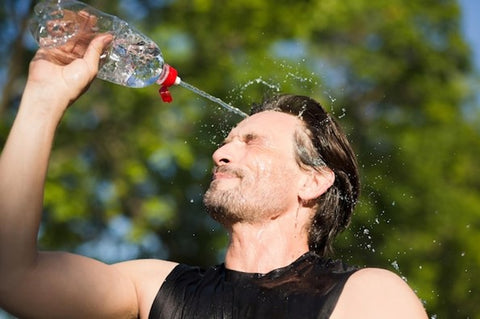
What is sunburn?
Sunburn happens when skin gets too much ultraviolet radiation, mainly UVA and UVB. UV rays damage skin cell DNA and trigger inflammation. Severity depends on skin type, time in the sun, and UV intensity. Repeated burns speed up aging, cause dark spots, and raise the risk of skin cancer, including melanoma.
Learn more about risks and treatments from reliable sources like the Mayo Clinic.
What is heatstroke?
Heatstroke is a dangerous rise in body temperature, often above 104°F (40°C). It happens when the body cannot dump excess heat. Triggers include prolonged high temperatures, intense exercise in heat, dehydration, alcohol, and some medications.
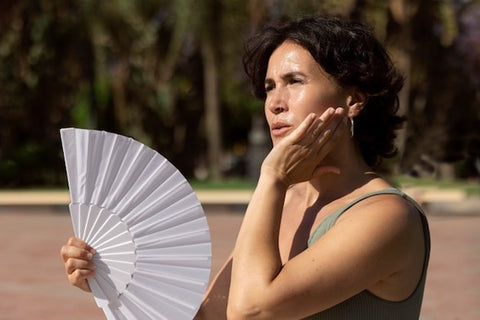
Common signs include very high body temperature, hot or dry skin, rapid pulse, headache, dizziness, nausea, confusion, and fainting. Heatstroke can cause organ damage, seizures, coma, or death. Get emergency care if you suspect heatstroke.
Practical sun protection tips
Stop sunburn
- Wear sunscreen: Use broad-spectrum SPF 30 or higher on all exposed skin. Reapply every two hours, more often if swimming or sweating.
- Seek shade: Avoid direct sun during peak UV hours, roughly 10 a.m. to 4 p.m. Sit under trees, umbrellas, or canopies, and wear a wide-brimmed hat and lightweight long sleeves.
- Stay hydrated: Drink water throughout the day. Alcohol and caffeine dehydrate, so limit them when you're in the sun.
- Watch reflections: Sand, water, and snow reflect UV and raise your burn risk. Reapply sunscreen and add protective clothing in these settings.
- Check the UV index: Use local forecasts to pick lower-UV times for outdoor plans.
- Teach kids: Make sun protection a habit early: sunscreen, shade, and protective clothing.
Prevent heatstroke
- Hydrate: Drink before, during, and after outdoor activity. Small, regular sips work better than waiting until you feel thirsty.
- Schedule smartly: Do strenuous activity in the early morning or late afternoon when temperatures are lower. Choose shaded routes or tree-covered trails.
- Take breaks: Rest in the shade, cool down, and rehydrate during work or exercise in hot weather.
- Use sunscreen: Preventing sunburn helps your body cool itself more effectively.
- Acclimate: Increase time and intensity outdoors gradually if you’re not used to the heat.
- Be ready for emergencies: Carry a first aid kit and know the signs of heatstroke. Move the person to a cooler place and seek medical help right away if symptoms appear.

NAT SULPH 6x may help with pain or pressure in the chest, rheumatic ailments, and water retention. Useful for maintaining water balance. Best used for irregular body secretions, congestion, greenish sputum, rheumatism, and more.
Natural protection options
Sunscreen and shade are essential, but some natural remedies add comfort and care. Use them alongside standard precautions, not instead of them.
The power of plants
- Aloe vera: Apply fresh gel to soothe sunburn and reduce inflammation.
- Green tea: Rich in antioxidants, it can help protect skin from UV damage when applied topically or used as a cooled compress.
Combine these practical measures and natural helpers to lower your risk of sunburn and heat-related illness. Plan ahead, stay hydrated, and respect the sun's power so you can enjoy more outdoor days safely.

Dejar un comentario