





Teen Depression: Symptoms, Support, and Treatment
Depression in teenagers often looks different than in adults, so it can go unnoticed. Parents and caregivers may miss the signs because teens express distress through behavior, physical complaints, or changes at school, not always through words. Early recognition lets you get help sooner.

There are several forms of depression that affect adolescents. Depression can affect any teen, regardless of gender, grades, or extracurricular success. Learn the common signs so you can provide support and seek help when needed.

What is depression?
Teen depression is a mental health condition that causes persistent sadness and loss of interest. It affects thinking, behavior, school performance, family life, and friendships. The National Institute of Mental Health reported about 3 million US adolescents age 12 to 17 had at least one major depressive episode in 2015, about 12.5% of that age group.
Common symptoms to watch for
Teens frequently report physical complaints rather than describing emotional pain. Headaches, stomachaches, or a general "not feeling well" can be signs. A medical exam may not show a physical cause.
Irritability
Teens with depression often become more irritable. They might snap at family members, lose patience, or act defiantly. While mood swings are normal in adolescence, persistent or extreme irritability is a warning sign.
Academic changes
Depression can cause a sudden drop in grades, but some teens keep high performance. Pressure to excel can itself fuel depression. Watch for changes in study habits, withdrawal from school activities, or an unusual fear of failure.
Sensitivity to criticism
Depression can heighten sensitivity to criticism. Some teens avoid risky activities to dodge rejection, others become perfectionists to prevent failure. Notice if a teen refuses opportunities they used to want or reacts strongly to minor critiques.
Social withdrawal
Social isolation often appears with depression, but withdrawal can look like changing peer groups or spending excessive time online. Some teens create online personas or play games for hours to escape.

Common causes and triggers
Research shows the strongest risk factors are family history of depression and psychosocial stress. Developmental changes, hormones, and adversity also play a role. Other triggers include:
- Bullying or peer conflicts
- Academic pressure
- Chronic illness
- Substance use
- Family conflict
- Sleep problems
- Confusion about sexual orientation
- Coexisting mental health disorders
- Learning disabilities or ADHD
- Low self-esteem
- History of violence, as witness or victim
Possible complications
Untreated depression can cause problems across life domains. Complications include:
- Alcohol or drug misuse
- Worsening school performance
- Family and relationship conflicts
- Legal or disciplinary issues
- Suicide attempts or death by suicide

Suicide prevention
If someone is at immediate risk of self-harm or harming others, act now:
- Ask directly: "Are you considering suicide?"
- Listen without judgment.
- Call 911 or your local emergency number, or text TALK to 741741 to reach a crisis counselor.
- Stay with the person until help arrives.
- Remove weapons, medications, or other dangerous items if you can do so safely.
If you or someone you know is thinking about suicide, contact the National Suicide Prevention Lifeline at 800-273-8255. People who are hard of hearing can call 800-799-4889.
Types of depression and related disorders
- Anxious distress
- Melancholic
- Atypical depression
- Major depressive disorder
- Psychotic depression
- Peripartum or postpartum depression
- Situational depression
- Persistent depressive disorder or dysthymia
- Bipolar disorder
- Seasonal affective disorder (SAD)
- Premenstrual dysphoric disorder (PMDD)
Diagnosis, treatment, and prevention
Clinicians diagnose depression using interviews, questionnaires, and clinical history. Treatment commonly combines psychotherapy and, for many teens, medication. Antidepressants target neurotransmitters such as serotonin, dopamine, and norepinephrine.
Medication groups
- SSRIs: Often used first, under close medical supervision. They raise serotonin and can reduce symptoms with generally fewer side effects.
- MAOIs: Early antidepressants. Effective for some, but less commonly used because of serious side effects and interactions.
- Tricyclics: Less often prescribed for teens due to side effects, usually considered when other options fail.
- Atypical antidepressants: Includes medications such as bupropion and others, sometimes better tolerated by younger patients.
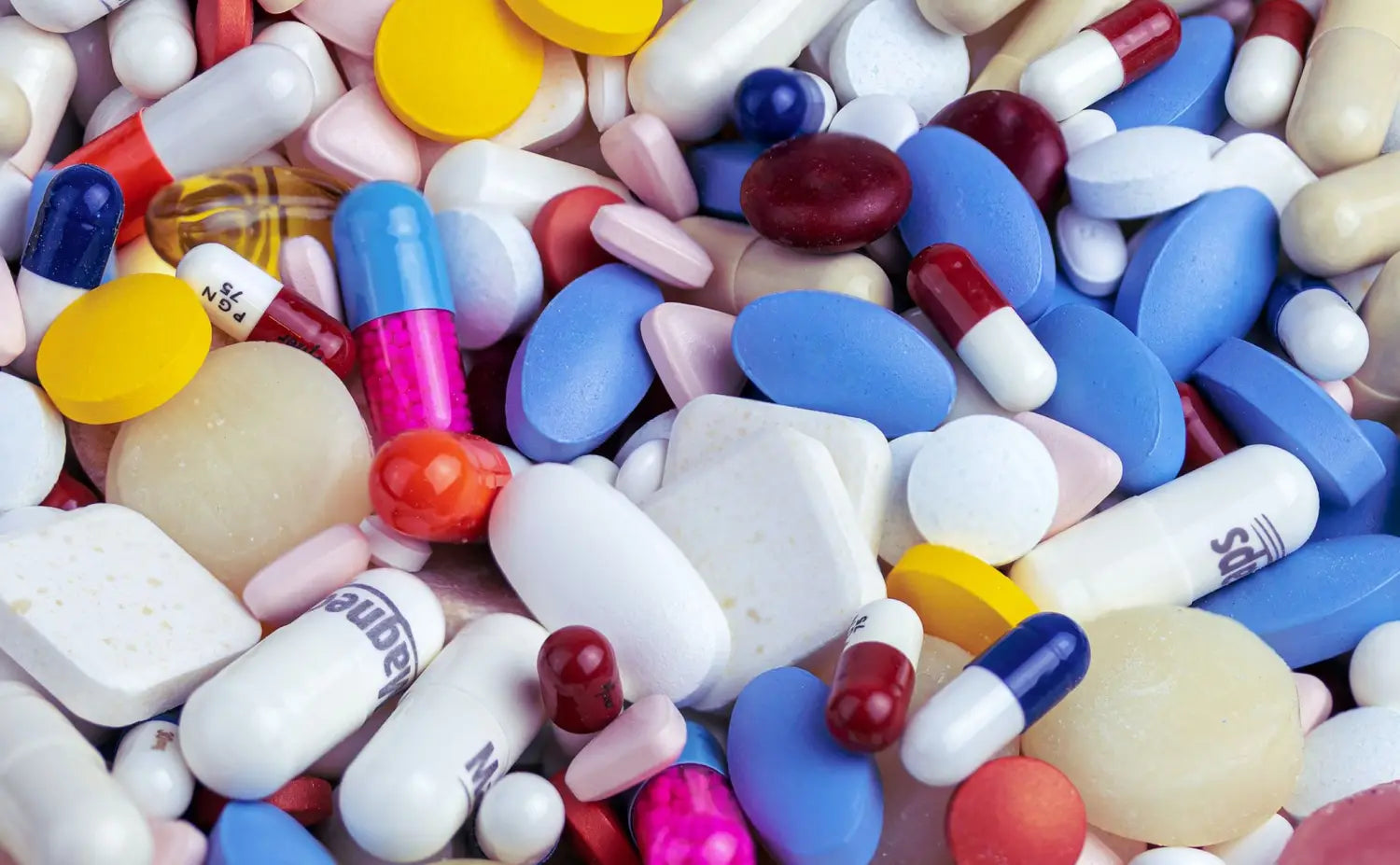
Pros of medication
For many teens, combining medication with therapy reduces symptoms and improves functioning. Medications can help restore energy, reduce suicidal thoughts, and make therapy more effective when used as part of a treatment plan under a prescriber's care.
Dejar un comentario