





What Is Anemia: Symptoms and Treatment Options
WHAT IS ANEMIA?
Anemia is the condition marked by a deficiency of red blood cells or of hemoglobin in the blood. Hemoglobin is an iron-rich protein that gives blood its red color and carries oxygen from your lungs to the rest of your body.
If you have anemia, your body does not get enough oxygen-rich blood. That often causes you to feel tired and weak. Red blood cells also support immunity, blood clotting, and other daily processes.
Anemia is often linked to iron deficiency. The CDC estimates iron deficiency affects many people, especially women. Iron helps the body make hemoglobin, so low iron reduces oxygen delivery. Common causes include blood loss (for example heavy periods), low dietary iron, or poor iron absorption from food. You can also find targeted products like iron absorbing remedies.

Nat Mur is best used for any dryness or wetness on the body. It may help with diarrhea, runny nose, vomiting, dry, painful throat, and more. Useful for weight loss, delayed menstruation, coldness, dyspepsia, eczema, neuralgia, and anemic patients.
Haemorrhage: After trauma, heavy menstrual bleeding, childbirth losses, gastric ulcers, inflammatory bowel disease, gut cancers, or parasitic infestation such as hookworm or schistosomiasis.
Iron deficiency: Common in pregnancy, lactation, acute hemorrhage, or chronic blood loss. Causes include low iron intake or impaired absorption in the gut.
Vitamin B12 or folic acid deficiency: Leads to megaloblastic anemia.
Pernicious anemia: An autoimmune condition that causes loss of gastric parietal cells and intrinsic factor, which prevents proper vitamin B12 absorption.
Haemolytic anemia: Results from destruction of red blood cells, as in malaria or inherited conditions like sickle cell disease.
Thalassemia: An inherited disorder where hemoglobin production is impaired.
Symptoms of anemia:
Pallor; weakness or fatigue; vertigo; mouth soreness; shortness of breath; palpitations; jaundice in haemolytic anemia; koilonychia (spoon-shaped nails) and pica in iron deficiency; gastric symptoms like diarrhea, nausea and vomiting; and tingling or numbness in pernicious anemia.
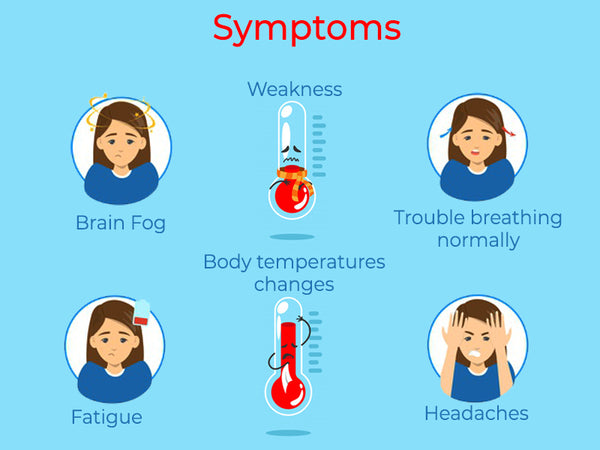
Not having enough oxygen-carrying red blood cells makes it hard to supply oxygen to your brain, muscles, and organs. People often dismiss fatigue as stress, lack of sleep, or a recent illness. Pay attention to the pattern and persistence of symptoms, especially if you have risk factors like heavy menstrual bleeding, chronic disease, poor diet, or family history.
Common symptoms adults report
- Fatigue
- Weakness
- Pale skin
- Fast or irregular heartbeat
- Shortness of breath, low stamina, and reduced endurance
- Chest pain
- Dizziness or balance problems
- Brain fog, trouble concentrating
- Cold hands and feet
- Headaches
Anemia can start mild and stay unnoticed for some time, then worsen as causes compound. Three main mechanisms produce anemia:
- You are not producing enough red blood cells.
- You are losing too much blood from injury, menstruation, or other bleeding.
- Your body is destroying red blood cells faster than it can replace them.
Anemia often reduces the ability to do daily tasks. Treatment depends on cause, and common approaches include drug therapies, surgical procedures when needed, and complementary options such as herbal or homeopathic remedies, targeted nutritional supplements like B12 and vitamin C, and a diet that supports iron and vitamin absorption.
TREATMENT OPTIONS
First, get a complete blood count and iron studies to confirm the diagnosis and find the cause. Typical treatments:
- Oral iron supplements for iron deficiency, combined with vitamin C to improve absorption. Consider formulations that reduce gastrointestinal side effects.
- Vitamin B12 injections or high-dose oral B12 for deficiency or pernicious anemia.
- Folate supplements for folic acid deficiency.
- Address bleeding sources, such as treating ulcers or managing heavy menstrual bleeding.
- In severe or chronic cases, intravenous iron or blood transfusion may be necessary.
- Treat underlying diseases that destroy red blood cells, including infections or autoimmune causes.
- Dietary changes: include heme iron sources like lean red meat and poultry, and non-heme iron from beans, lentils, and fortified grains. Pair non-heme iron with vitamin C rich foods and avoid drinking tea or coffee with iron-rich meals.
- Discuss supplements like red cell support or iron-specific formulas with a clinician to match your lab results.
Follow-up labs are important to confirm treatment is working and to avoid iron overload. If symptoms are severe or you have heart disease, seek care promptly. Pregnant people and those with chronic conditions should get routine screening.
Talk with your provider before starting homeopathic, herbal, or over-the-counter supplements, especially if you take other medications. Targeted testing and a clear plan make it faster to restore energy and protect long-term health.
Laissez un commentaire