





How Yoga Helps Lower Your Blood Pressure

Yoga can lower blood pressure by combining movement, slow breathing, and focused relaxation. It also improves flexibility, muscle tone, respiration, energy, and overall vitality.
What is blood pressure?
Blood pressure measures the force your heart uses to push blood through blood vessels. It shows as two numbers, systolic and diastolic, in millimeters of mercury (mmHg). Systolic is the pressure when the heart pushes blood out, diastolic is the pressure when the heart rests between beats.
Healthy values typically range from 90/60 mmHg to 120/80 mmHg. Hypertension is generally diagnosed at or above 140/90 mmHg, which means the heart works harder to circulate blood. Left untreated, high blood pressure increases risk for heart attack, stroke, kidney damage, and other serious conditions.
High blood pressure usually has no clear symptoms. When symptoms appear they often indicate dangerously high pressure. Possible signs include:
- Pulsation in the back of the head or neck
- Severe headache
- Nosebleeds
- Anxiety
- Shortness of breath
Lifestyle changes are the first line of defense. Useful steps include:
- Improve your diet: cut salt, reduce unhealthy fats, eat more fruits and vegetables, limit alcohol.
- Exercise regularly: walking, jogging, swimming, or cycling most days.
- Manage stress with practices such as yoga, meditation, acupuncture, or baths.
- Quit smoking, because it raises blood pressure acutely.
If lifestyle changes do not control blood pressure, see a healthcare provider for medical treatment.
How yoga affects blood pressure
Yoga mixes physical postures, breathing practice, and relaxation. Research shows regular yoga can reduce blood pressure, especially when classes include breathing and relaxation techniques.
A review of 49 trials with 3,517 participants found that yoga groups showed average reductions of about 5 mmHg systolic and 3.9 mmHg diastolic versus controls. When yoga practice included breathing and relaxation three times per week, reductions increased to roughly 11 mmHg systolic and 6 mmHg diastolic compared with controls.
The lead author Yin Wu, a kinesiology researcher at the University of Connecticut, recommends adopting yoga early alongside other lifestyle changes and continuing it with medication if needed (Source Reuters.com).
One 12-week study of Iyengar yoga in patients not receiving medication reported meaningful 24-hour improvements in systolic and diastolic blood pressure compared with a diet-only group (Source MedicalNewsToday).

Getting started safely
Talk to your doctor before starting yoga, because some poses can be risky for certain conditions. Work with a qualified instructor who can modify poses for injuries, pregnancy, or cardiovascular issues. Move slowly, never force a posture, and stop any pose that causes pain.
Poses that often help blood pressure
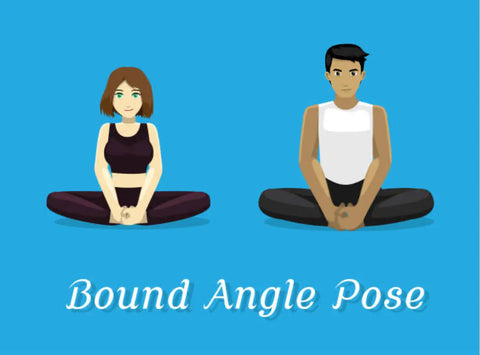
Bound angle pose
From Staff pose, sit on your sitting bones, bend your knees, open them to the sides, and bring the soles of the feet together. Clasp your big toes, lengthen the spine, and fold forward slightly if it feels good. Hold up to five minutes, then release.
Benefits: improved pelvic circulation, reduced stress and mild depression, nervous system stimulation, better posture, and potential blood pressure reduction. Avoid after recent hip or knee injuries.
Corpse pose
Lie on your back, arms and legs extended, palms up. Keep the head centered and relax the whole body for 5 to 10 minutes while breathing slowly. If lower back stiffness bothers you, roll a blanket under the knees.
Benefits: stress reduction, release of muscle tension, better sleep, and improved circulation.

Downward facing dog
Start on hands and knees with wrists under shoulders and knees under hips. Tuck toes under, exhale, lift hips and straighten legs. Press index fingers and engage quadriceps so arms carry less weight. Stretch heels toward the floor, keep the head between the arms, hold for ten breaths, then return to Child pose.
Benefits: better posture, improved circulation, lower blood pressure potential, and increased limb strength. Avoid with wrist injuries, vertigo, severe hypertension, recent spinal disc issues, heart disease, or late pregnancy.

Bridge pose
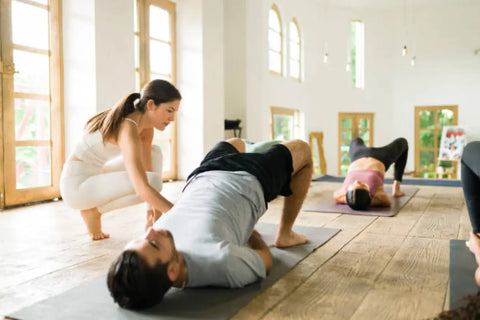
Lie on your back, bend your knees with feet close to hips. Slide arms under your back, lift the chest and hips, breathe eight times, then lower slowly. Benefits include spine strengthening, nervous and endocrine stimulation, back pain relief, and improved posture. Avoid with neck, shoulder, back, or knee injuries unless taught by an experienced teacher.
Child's pose
From hands and knees, widen the knees with big toes touching, stretch arms forward, rest forehead on the mat, and sit hips toward the heels. Hold up to three minutes.
Benefits: deep relaxation, back and hip stretching, and improved digestion. Avoid if pregnant or with a knee injury.

Seated forward bend
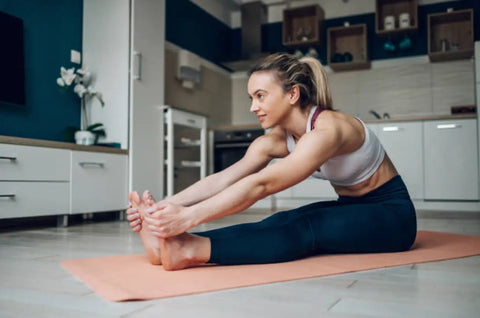
Sit with legs extended, lengthen the spine, then exhale and fold forward from the hips while keeping the spine straight. Reach toward your feet and hold up to three minutes. Don't force the stretch; stop if it becomes painful. Avoid with shoulder, ankle, or hip injuries.
Other benefits of yoga
Beyond blood pressure, yoga can reduce stress, improve sleep, increase flexibility, build strength and balance, ease back pain and arthritis, support weight control and digestion, boost joint health, and enhance mood and cognitive function.
- Stress relief and improved sleep
- Greater flexibility, balance, and strength
- Back pain and arthritis symptom relief
- Better cardiovascular and bone health
- Reduced inflammation and improved mental health
The bottom line
Regular yoga practice helps you feel better physically and mentally, and it can lower blood pressure when done consistently and safely. Check with your doctor first, choose a class that matches your needs, and work with an instructor who can tailor poses for your health status.
Sources: EverydayYoga, Yoga Basics, Yoga Journal, Verywell Fit, Bestmade Natural Products, Medical News Today, Reuters
Laissez un commentaire