





Heat Stroke vs Heat Exhaustion: Key Differences and First Aid
Summer heat raises the risk of heat-related illness. Know how heat exhaustion and heat stroke differ so you can act fast and protect yourself or others.
Heat Exhaustion vs Heat Stroke
Heat exhaustion happens when prolonged heat exposure and inadequate fluids cause heavy sweating, weakness, dizziness, and fainting. It is serious but usually treatable outside a hospital.
Heat stroke is a medical emergency. Body temperature often climbs above 104°F (40°C), the person may stop sweating, and organs can be damaged quickly without prompt treatment.
How They Look
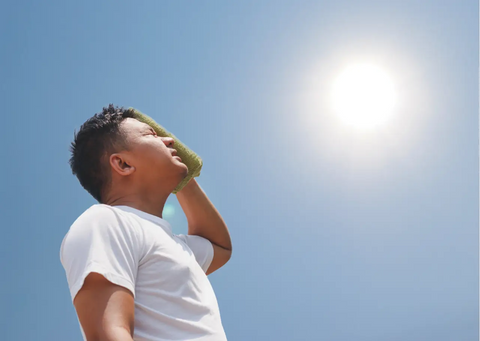
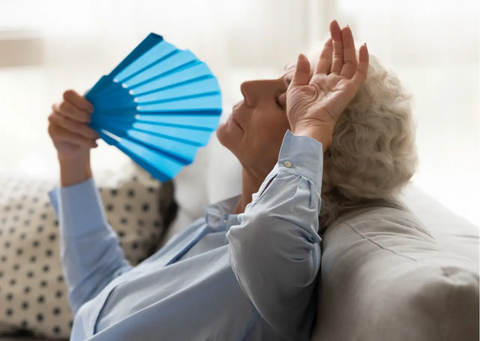
Someone with heat exhaustion often looks pale, sweaty, and tired. Skin feels cool and moist. They may be dizzy or weak.
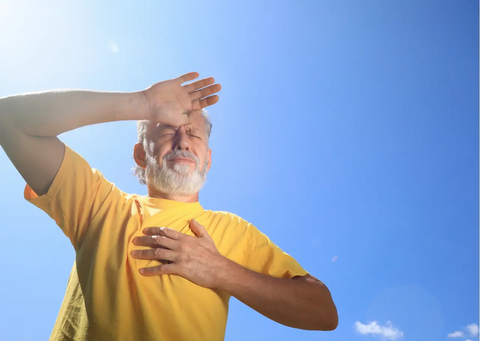
Someone with heat stroke can have hot, dry skin, a very high temperature, and clear signs of neurological trouble such as confusion or disorientation.
Signs and Symptoms
Watch for these warning signs so you can respond quickly.
Heat Exhaustion

BIO24 may provide energy and help you cope with stress. Supports your body's ability to manage, absorb, and use nutrients while boosting your physical health and immune system. It is a useful remedy to keep you alert, fresh, and stress-free all day.
Heat Stroke
BM11 provides natural support for all types of headaches and fatigue. Best used for throbbing, sharp, and nerve pain. Useful for congestion problems. It supports healthy sleep

What Causes Each
Causes of Heat Exhaustion
Heat exhaustion stems from long exposure to high temperatures combined with not enough fluids or electrolytes. Sweating depletes water and salts, and if you do not replace them, your body struggles to cool itself.
Causes of Heat Stroke
Heat stroke happens when the body cannot regulate temperature. Common causes include:
Quick First Aid Steps
If you suspect heat exhaustion
- Move the person to a cooler, shaded area.
- Loosen tight clothing and have them lie down with feet elevated if they feel faint.
- Give cool water or an electrolyte drink, small sips at a time.
- Apply cool, wet cloths or a cool bath to help lower body temperature.
- Monitor closely. If symptoms worsen or do not improve within 30 minutes, get medical help.
If you suspect heat stroke
- Call emergency services immediately.
- Move the person to a cooler place and remove excess clothing.
- Cool the person quickly with whatever is available: cold water immersion, cool showers, or wet towels and fans.
- If trained, monitor airway and breathing. Be ready to perform CPR if needed.
Prevention Tips
Reduce risk with simple habits: drink fluids regularly, avoid strenuous activity in the hottest hours, wear lightweight clothing, use sunscreen, and take frequent breaks in the shade or an air-conditioned spot. Check on older adults and young children, and watch people on medications that affect heat tolerance.
Knowing the difference between heat exhaustion and heat stroke saves time and lives. Act quickly, cool the person, and call for help when needed.
Leave a comment