





Blue Zone Diet Recipes & Longevity Tips Guide
We’ve all heard stories of people living to 100, still active, happy, and enjoying life. It might sound rare, but in certain parts of the world, called Blue Zones, it’s actually pretty common. These communities share a simple formula: eat mostly plants, move naturally, stay connected, and live with purpose.
This guide pulls together what researchers found in those regions, plus easy Blue Zone recipes and practical tips you can use today. Small, consistent changes are what matter.
Why Blue Zone Habits Work
Researchers studied places where people commonly live to 90 and 100, and they found the pattern isn’t a single miracle food. It’s a mix of diet, daily movement, social bonds, stress routines, and purpose.
Common patterns
Mostly plant-based: About 95% of food comes from plants: beans, greens, whole grains, nuts, and seasonal produce.
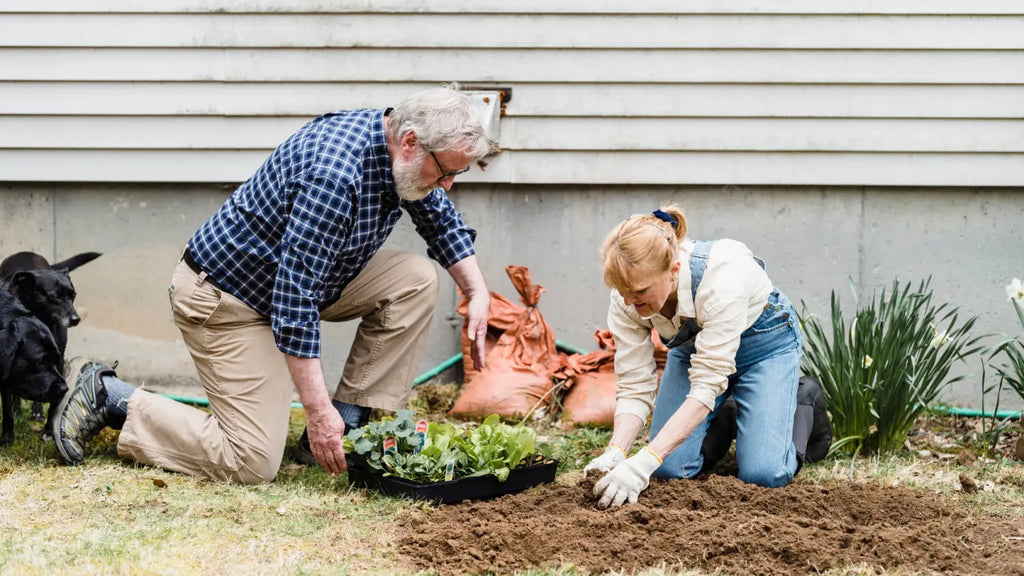
Daily natural movement: Active lives come from walking, gardening, cooking, and chores rather than formal gym sessions. Active routines are built into daily life.
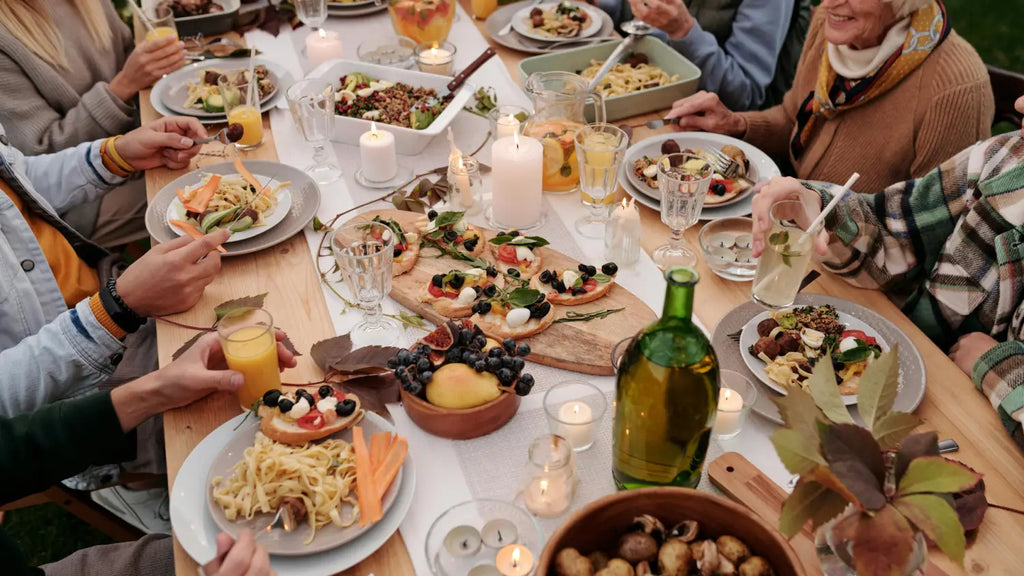
Strong social bonds: Friends, family, and community are part of everyday life, with meals and tasks shared.
Stress management: Simple routines like prayer, naps, nature time, or quiet reflection help people slow down. See stress management tips.
Sense of purpose: Having a reason to get up in the morning keeps people engaged and active.
Moderation: They avoid overeating and enjoy alcohol, if at all, in small amounts and with company.
Science links this combination to lower chronic disease rates, better mental health, and longer, more active lives.

The Five Blue Zones
These five regions show how those habits look in daily life.
Okinawa, Japan
They follow the Hara Hachi Bu rule, eating to about 80% full. Meals often include sweet potatoes, tofu, vegetables, and seaweed, and tight social circles support health.

Sardinia, Italy
Mountain villages rely on whole grains, beans, vegetables, and small amounts of sheep’s milk cheese. Daily hill walking keeps people fit, and sharing a glass of red wine with friends is common.

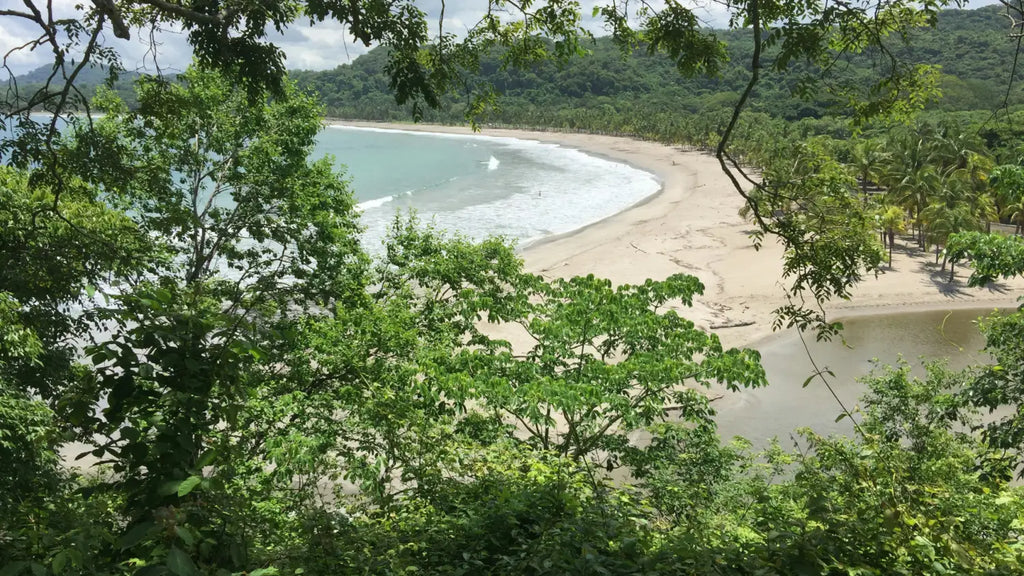
Nicoya Peninsula, Costa Rica
Meals often feature black beans, squash, corn tortillas, and fresh fruit. Mineral-rich water and a strong sense of purpose, called plan de vida, support longevity.
Loma Linda, California, USA
Many residents are Seventh-day Adventists who follow a mostly vegetarian diet, avoid alcohol and smoking, and observe a weekly day of rest.

Icaria, Greece
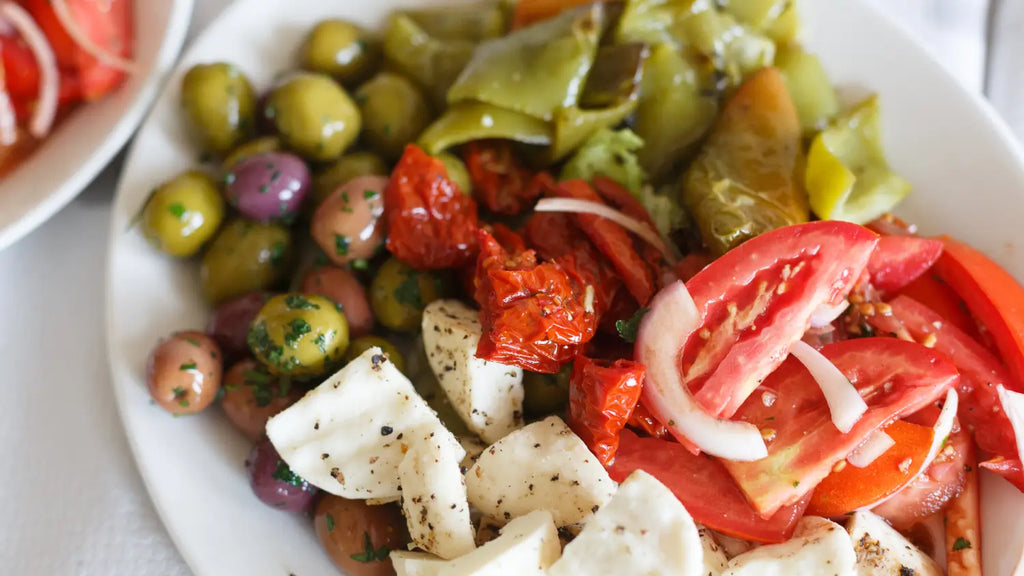
Ikaria follows a Mediterranean-style diet rich in vegetables, beans, olive oil, and herbal teas. Daily social interaction and afternoon naps are normal.

Key Principles of the Blue Zone Diet
You can apply these habits anywhere. The eating patterns are straightforward and practical.
Mostly plants (95% rule)
Vegetables, fruits, beans, whole grains, nuts, and seeds make up most meals. Meat appears rarely and in small portions.
Whole, unprocessed foods
They eat foods close to their natural state, not processed or packaged snacks.
Healthy fats
Olive oil, nuts, and seeds provide heart-healthy fats, common across Mediterranean and other Blue Zone diets.
Portion moderation
Hara Hachi Bu, stopping at about 80% full, helps prevent overeating.
Hydration and tea
Water is the main drink, alongside tea or coffee. Herbal teas are common—Ikaria favors rosemary, sage, and wild mint, while Okinawa favors green tea.
Blue Zone Pantry Essentials
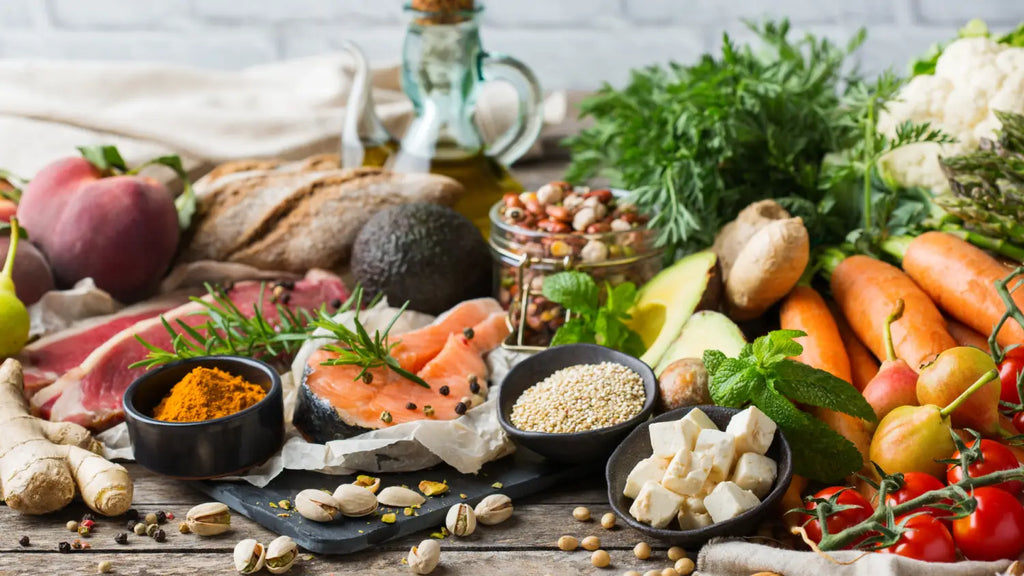
Stock these staples to make Blue Zone meals easy.
Legumes
Black beans, lentils, chickpeas, and soybeans are protein-rich and filling.
Whole grains
Brown rice, oats, barley, whole wheat, and cornmeal provide steady energy.
Fresh produce
Leafy greens, sweet potatoes, and seasonal fruit should be front and center.
Nuts, seeds, herbs, and healthy oils
Almonds, walnuts, sunflower seeds, garlic, rosemary, oregano, olive oil, and other unrefined oils add flavor and nutrition.
Blue Zone-Inspired Recipes
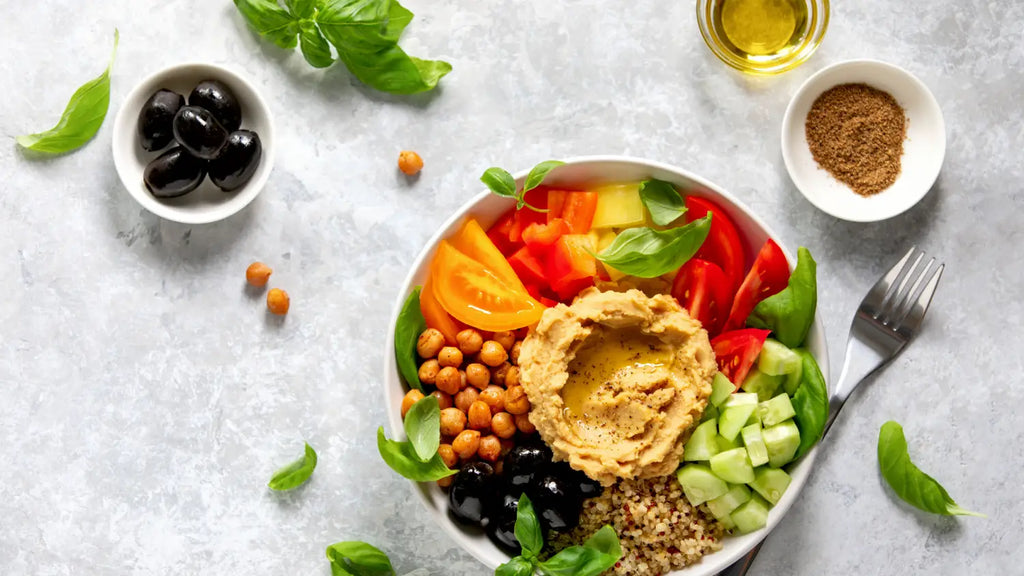
These simple meals use accessible ingredients and come together quickly.
Breakfast ideas
Okinawan Sweet Potato Bowl: Steamed sweet potatoes with cinnamon, a drizzle of honey, and chopped nuts.
Sardinian Barley Porridge: Cooked barley with almond milk, raisins, and a dash of cinnamon.
Lunch ideas
Greek Lentil Soup (Fakes): Lentils simmered with onions, carrots, tomatoes, olive oil, and herbs. Serve with whole-grain bread.
Nicoya Black Bean & Corn Salad: Black beans, corn, red onion, cilantro, and lime juice tossed together.
Dinner ideas
Mediterranean Vegetable Stew: Tomatoes, zucchini, eggplant, and chickpeas cooked with olive oil and herbs.
Sardinian Minestrone: Soup with beans, veggies, whole-grain pasta, and olive oil.
Snacks and desserts
Roasted Chickpeas: Chickpeas tossed with olive oil and spices, roasted until crispy.
Fruit & Nut Energy Bites: Blended dates, nuts, and seeds rolled into small bites.
These are flexible ideas. Use what’s fresh and local to you.
Longevity Lifestyle Tips
Food matters, but daily life matters too. These habits reinforce each other.
Move naturally
Build movement into your day: walk, garden, cook, take stairs. It should feel like life, not a chore.
Stay connected
Keep strong ties with family and friends. Shared meals and community support matter for health.
Manage stress
Short naps, prayer, quiet time, or nature breaks help people recover and stay calm. See habits.
Have a purpose
Knowing why you get up in the morning links to longer life. It can be family, a hobby, or community work.
Protect sleep
Good nighttime routines and occasional daytime rest support recovery and health.
How to Start
Change takes time. Pick one habit and build from there.
Small swaps
Replace one or two meals a week with plant-based options. Swap white rice for brown rice or barley.
One meal at a time
Start with breakfast: oatmeal with nuts, a green smoothie, or a veggie omelet.
Plan and prep
Keep beans, grains, and frozen vegetables on hand so you can assemble meals quickly.
Make it social
Invite friends over or eat with family with phones away. Shared meals boost enjoyment and consistency.
Be patient
Small, steady changes add up. Give yourself time and keep the focus on habits you can sustain.
The Bottom Line
Blue Zone living centers on plant-forward food, regular movement, strong social ties, stress routines, and purpose. You can adopt parts of it where you live, one habit at a time.
Start small, stay consistent, and your energy and health will likely improve over time.
There’s a documentary with more on Blue Zones. Watch it here.
Deixe um comentário