





Constipation and Diarrhea: Causes, Relief, and Safe Remedies
How constipation and diarrhea affect your life
Good digestion matters. When your bowels act up, you can lose energy, nutrients, and time. Constipation makes bowel movements difficult and often painful. Diarrhea causes frequent loose stools, which can lead to dehydration and nutrient loss. Chronic problems interfere with daily life, so learning causes and practical fixes helps you get relief while avoiding unnecessary side effects.
The main causes
Diet
What you eat (and drink) directly affects stool consistency. High-fat, greasy meals can trigger loose stools for some people. Food intolerances, like lactose intolerance, can cause either diarrhea or constipation depending on the person. Not drinking enough water leads to hard, dry stools that are hard to pass. Fiber provides bulk and holds water in stools, so low-fiber diets often cause constipation.

BM213 may aid with digestion and nutrient absorption. Recommended for digestive problems, including diarrhea, weight loss, slimy stools, bloating, fatigue, heartburn, coated tongue, constipation, indigestion, and pale complexion.

Illness
Acute infections, like the stomach flu or food poisoning, inflame the gut and cause diarrhea. After the infection clears, muscle inflammation or changes in gut motility can lead to temporary constipation. Chronic inflammatory conditions, such as Crohn's disease or ulcerative colitis, cause ongoing bowel problems and usually require medical care. Irritable bowel syndrome causes similar symptoms but from different mechanisms; stress and diet can trigger IBS episodes.
Medications
Many drugs affect bowel habits. Painkillers (NSAIDs and opioids), some antidepressants, blood pressure medicines, iron supplements, antibiotics, and proton pump inhibitors can cause constipation or diarrhea. If you suspect a medication, talk to your prescriber before stopping or switching.
Stress
Your brain and gut talk to each other nonstop. Stress and anxiety change gut motility and secretion, producing constipation for some people and diarrhea for others. Stress can also worsen underlying digestive conditions.

BIO16 is recommended for nervous exhaustion, fatigue, or sleeplessness resulting from stress and anxiety. Natural support for your nervous system to help cope with everyday stress and negative events.
Food poisoning
Contaminated food can introduce bacteria, viruses, or parasites that cause sudden diarrhea, vomiting, cramping, fever, and dehydration. Cross-contamination and undercooked meats are common sources. Dehydration is the most urgent complication to watch for.
Top 5 tips to avoid food poisoning
- Wash hands and surfaces with hot soapy water
- Keep raw foods away from prepared foods
- Cook foods to a safe temperature
- Refrigerate and defrost foods safely
- When in doubt, throw it out
Treatment options and practical tips
Medication
Over-the-counter and prescription drugs can help short term. Read labels and follow dosing instructions. Overuse of laxatives or anti-diarrheals can cause rebound problems, so use them cautiously and under guidance for chronic issues.
Lifestyle
Hydrate, add soluble and insoluble fiber if you have constipation, and maintain regular exercise. Exercise reduces stress, supports gut motility, and improves overall digestion.

Dietary changes
Identify food triggers and remove them where needed. Increase fiber gradually, spread fluids through the day, and prefer small frequent meals if large meals trigger symptoms.

Homeopathic and herbal remedies
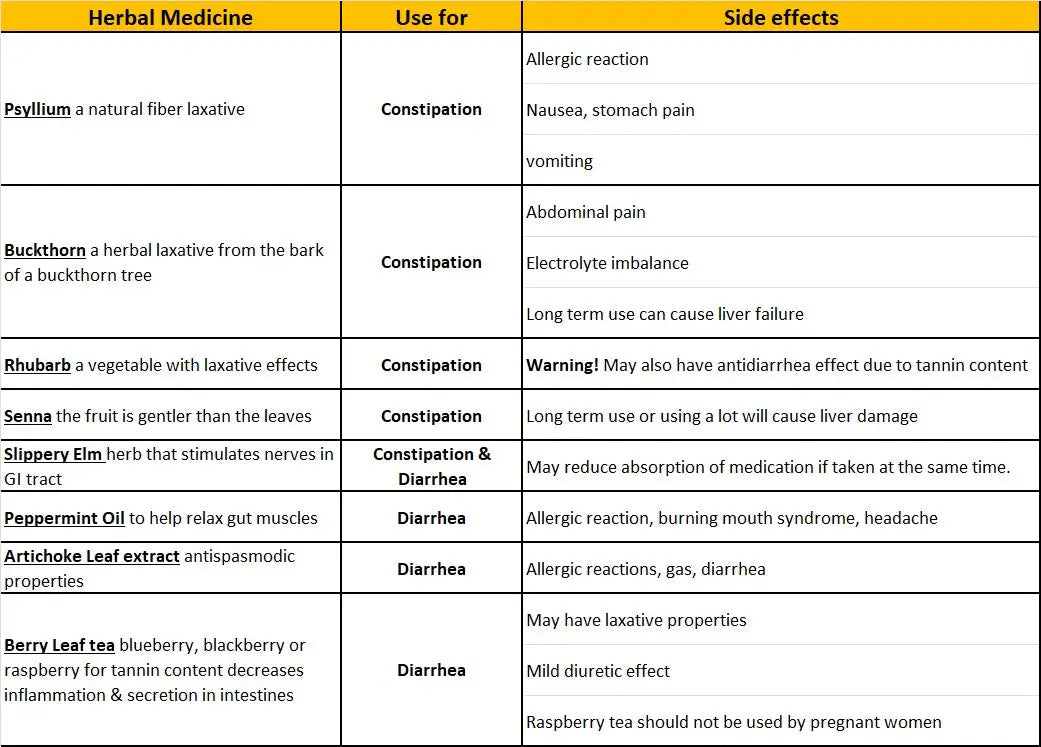
Some people use homeopathic remedies such as Arsenicum Album for acute diarrhea and Nux Vomica or Silicea for constipation. Herbal options also help many people. Check product descriptions and consult a practitioner because herbs and botanicals can interact with drugs.
Chiropractic care
Some patients notice improved digestion after spinal adjustments that restore nerve signaling to the gut. If you try this, choose a licensed practitioner and maintain good hydration and fiber intake, because adjustments can sometimes prompt sudden bowel movements.

When to see a doctor
Seek medical care if you have severe abdominal pain, high fever, bloody stools, persistent vomiting, signs of dehydration, or diarrhea lasting more than 48 hours. Chronic, unexplained bowel changes also deserve a formal evaluation.
Natural remedies often work well and have fewer interactions than many drugs, but check with your healthcare provider if you take other medicines or have chronic conditions.
Sources and further reading:
https://www.healthline.com/health/digestive-health/constipation-after-diarrhea#causes
https://www.uofmhealth.org/health-library/sigtm3094
https://www.goodrx.com/blog/the-big-8-constipation-causing-medications/
https://www.mayoclinic.org/diseases-conditions/food-poisoning/symptoms-causes/syc-20356230
https://www.webmd.com/ibs/ss/slideshow-lifestyle-constipation-relief
https://vancouverbackpain.com/chiropractic-treatment-and-digestion/
Deixe um comentário