





Daily Stress Relief: Practical Strategies for Better Well-Being
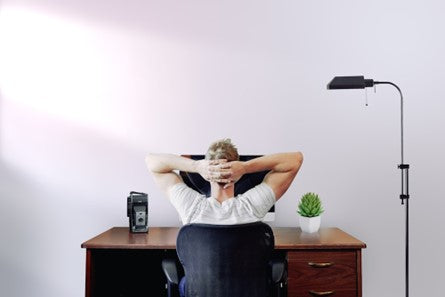
Your to-do list keeps growing and new worries pop up all the time. That steady pressure is daily stress, the slow burn that wears you down more than sudden crises do.
Small stressors add up: traffic, money concerns, tense conversations, health problems, and constant connectivity. A bit of pressure can push you forward, but when stress piles up it harms sleep, mood, focus, and energy.
Make small, practical changes that cut the build-up. Breathe between tasks, talk things through, set boundaries, and pick a hobby that helps you switch off. Those moves reduce the load and make everyday life easier to handle.
Common Stress Triggers
Knowing the typical sources of daily stress helps you respond to them. Common triggers include:
- Work pressure: Deadlines, heavy workloads, and difficult colleagues.
- Family responsibilities: Childcare, chores, and caring for aging relatives.
- Financial concerns: Worries about bills, debt, and unexpected expenses. See anxiety support options.
- Relationship issues: Conflicts, loneliness, or social strain.
- Health challenges: Managing chronic conditions or medical appointments, including chronic health stressors.
- Time pressures: Rushing between commitments and feeling pressed for time.
- Technology overload: Constant connectivity that blurs work and personal time.
There are many proven ways to reduce day-to-day stress and support long-term well-being. The tips below focus on concrete actions you can take today.

BIO16 is recommended for nervous exhaustion, fatigue, or sleeplessness resulting from stress and anxiety. It is natural support for your nervous system to help you cope with everyday stress and negative events.
Practical Tips to Reduce Stress
1. Prioritize Tasks
Start each day with a short to-do list and mark the 2 to 3 tasks that matter most. Finish those first. Delegate or postpone lower-value items. That simple shift reduces the sense of overwhelm and gives you clear wins.
- Write every task down, work and personal. Seeing everything in one place reduces mental clutter.
- Use urgency and importance to rank tasks. Tackle urgent and important items first.
- Break big projects into 20 to 60 minute chunks to keep momentum.
- Review your list at day end and adjust priorities for tomorrow.

The Eisenhower Matrix helps: urgent and important first, important but not urgent scheduled, urgent but not important delegated, and not urgent or important dropped.
2. Manage Your Time
Block specific times for focused work, breaks, errands, and rest. Set realistic deadlines and say no to extra commitments when your schedule is full. Time boundaries stop tasks from bleeding into personal time.
When you protect blocks for deep work, you finish tasks faster and lower stress from constant context-switching.
3. Practice Mindfulness Daily
Take five minutes in the morning or between tasks to breathe, notice your body, and return attention to the present. Mindfulness reduces reactivity so small issues don’t escalate into large ones.
- Start with 3 to 5 deep, slow breaths when you feel tense.
- Use a short body scan to release tightness in the neck and shoulders.
- Try a 5 minute guided meditation app if you need structure.
4. Move Your Body
Even a 10 minute walk clears the head and lowers stress hormones. Aim for regular movement across the day, not just a single long workout.
5. Sleep and Nutrition Matter
Set a consistent bedtime, limit screens before sleep, and choose protein and fiber-rich meals to stabilize energy. When you’re rested and nourished, stress hits you less hard.
6. Set Boundaries with Technology
Turn off nonessential notifications, set defined work hours, and create a charging station outside the bedroom. Clear boundaries prevent constant intrusions.
7. Talk and Share
Share worries with a friend, family member, or counselor. Saying problems out loud reduces their size and helps you find practical next steps.
Small Habits, Big Difference
Pick two of the tips above and practice them consistently for two weeks. Track how you feel at the end of each day. Most people notice better focus, improved sleep, and less reactivity within a short time.
Use products and supports when you need them, and get professional help if stress affects daily function. You don’t have to manage everything alone.
Start small, keep it consistent, and your day-to-day stress will shrink.
Deixe um comentário