





Evidence-Based Blood Cleansing and Natural Detox Methods
Blood carries oxygen, hormones, clotting factors, nutrients, and immune cells to every part of the body. Supporting the organs that filter blood helps them do their job better.
How Your Body Cleans Blood
Your liver and kidneys are the main filters. The liver transforms many toxins into less harmful compounds and prepares them for elimination. The kidneys remove waste and excess fluids, sending them out as urine. The intestines, skin, spleen, and lymphatic system all help clear waste, too.

What Blood Cleansing Means
Blood cleansing refers to how the body removes waste and potentially harmful substances so blood can continue delivering nutrients and oxygen. This is an ongoing, complex process driven mainly by the liver and kidneys.
Why It Matters
- Ensures organs receive oxygen and nutrients they need.
- Supports immune function by enabling immune cells to travel and act.
- Helps cells produce energy efficiently.
- Removes metabolic waste so harmful substances do not build up.
- Reduces risk factors for conditions like cardiovascular and kidney disease when organs work well.

Practical, Evidence-Based Ways to Support Detoxification
1. Diet
Food and fluids directly affect liver and kidney function. Focus on whole foods that reduce inflammation and support metabolic pathways.
- Water: Drink enough to keep urine pale yellow. Hydration supports kidney filtration and waste removal.
- Cruciferous vegetables: Broccoli, cauliflower, Brussels sprouts, and kale provide compounds that support liver enzyme activity.
- Berries: Blueberries, strawberries, and raspberries are high in antioxidants that reduce oxidative stress on detox organs.
- Garlic: Contains sulfur compounds like allicin that support liver enzyme production.
- Avocado: Supplies healthy fats and glutathione precursors that help liver detox pathways.
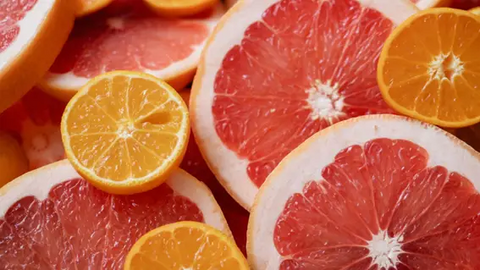
- Citrus fruits: Provide vitamin C, which supports kidney health and general antioxidant capacity.
- Apples: Soluble fiber supports gut health and regular elimination of waste.
- Nuts and seeds: Provide healthy fats, fiber, and micronutrients that support metabolic health.

2. Lifestyle
- Exercise: Regular activity improves circulation and supports lymphatic drainage, aiding removal of cellular waste.
- Sleep: Quality sleep supports hormone balance and metabolic repair mechanisms the liver relies on.
- Avoid excess alcohol and processed foods: These increase liver workload and promote inflammation.
- Quit smoking: Tobacco introduces many toxins that burden detox organs.
3. Gut Health
A healthy gut microbiome supports elimination. Eat fiber, fermented foods, and avoid unnecessary antibiotics when possible. Regular bowel movements reduce reabsorption of waste products.

4. Herbs and Supplements (use with care)
Certain herbs have evidence for supporting liver or kidney function, but they can interact with medications and are not a substitute for medical care. Talk to your clinician before starting supplements. Examples often studied include milk thistle for liver support and cranberry for urinary tract support.
5. Medical Evaluation When Needed
Symptoms like persistent fatigue, jaundice, swelling, dark urine, or unexplained bruising need prompt medical evaluation. Lab tests can check liver enzymes, kidney function, and other markers to identify problems early.
Practical Daily Plan
- Start the day with a glass of water, aim for steady hydration all day.
- Fill half your plate with vegetables, include a cruciferous veggie daily.
- Have a portion of berries or citrus several times a week.
- Include garlic and healthy fats like avocado, nuts, or seeds in meals.
- Move at least 30 minutes most days, and aim for 7 to 9 hours of sleep nightly.
- See your doctor for routine labs if you have risk factors like heavy alcohol use, obesity, or a family history of liver or kidney disease.
These steps support your body’s own detox systems. If you suspect a medical problem, get tested and treated by a clinician.
Deixe um comentário