





Health Risks of Obesity
The problem of childhood obesity in the United States has grown considerably in recent years. Approximately 12.7 million, or 17 percent, of children and adolescents are obese. Obesity is among the easiest medical conditions to recognize but most difficult to treat. Unhealthy weight gain due to poor diet and lack of exercise is responsible for over 300,000 deaths each year. Overweight children are much more likely to become overweight adults unless they adopt and maintain healthier patterns of eating and exercise.
The prevalence of obesity was 40.0% among adults aged 20 to 39 years, 44.8% among adults aged 40 to 59 years, and 42.8% among adults aged 60 and older.
The causes of obesity are complex and include genetic, biological, behavioral and cultural factors. Obesity occurs when a person eats more calories than the body burns. If one parent is obese, there is a 50 percent chance that his or her child will also be obese. However, when both parents are obese, their children have an 80 percent chance of being obese. Although certain medical disorders can cause obesity, less than 1 percent of all obesity is caused by physical problems. Obesity in childhood and adolescence can be related to:
- poor eating habits
- overeating or binging
- lack of exercise (i.e., couch potato kids)
- family history of obesity
- medical illnesses (endocrine, neurological problems)
- medications (steroids, some psychiatric medications)
- stressful life events or changes (separations, divorce, moves, deaths, abuse)
- family and peer problems
- low self-esteem
- depression or other emotional problems
Child and adolescent obesity is also associated with increased risk of emotional problems. Teens with weight problems tend to have much lower self-esteem and be less popular with their peers. Depression, anxiety, and obsessive compulsive disorder can also occur.
Why rates rose so quickly
Genetics matter, but genes did not change fast enough to explain the recent surge in obesity. Changes in diet, physical activity, sleep, and the built environment drove most of the increase. Processed food availability, larger portion sizes, more sedentary jobs, and screen time have shifted energy balance across populations.
How social factors affect weight
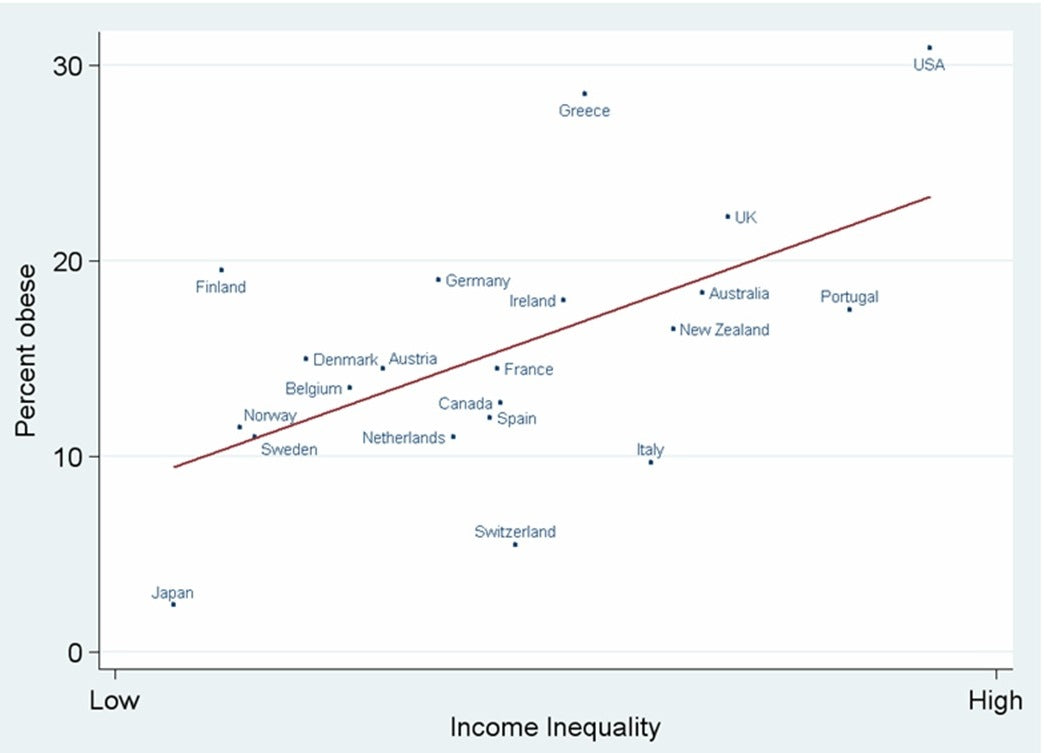
Income, education, and culture shape food choices and activity. In developed countries, wealthier people generally have lower obesity rates, while in some developing countries wealthier groups show higher rates. Social networks also matter; BMI trends spread among friends, siblings, and spouses. Stress and perceived low social status raise obesity risk for some people.
Urbanization and family size
Urban living often brings easier access to calorie-dense foods and less physical labor. In the United States, each child is associated with a modest increase in parental obesity risk, possibly because parenting can reduce time for exercise and meal planning.
What is obesity?
Obesity is a medical condition where excess body fat harms health. Clinicians use body mass index, waist to hip ratio, and overall cardiovascular risk to assess it. In children, obesity means a BMI above the 95th percentile for age and sex, based on historical reference data from 1963 to 1994.
Multiple factors feed into obesity: food choices, physical activity, medications, sleep, economic context, and marketing. That makes prevention and treatment complex, but also points to many practical places to intervene.

Health risks and complications
People with obesity face higher rates of many serious conditions, and those risks grow with higher BMI and central fat distribution. Major associated problems include:
- Increased all-cause mortality
- High blood pressure (hypertension)
- Unhealthy blood lipids: high LDL, low HDL, and high triglycerides
- Type 2 diabetes
- Coronary heart disease and heart failure
- Stroke
- Gallbladder disease
- Osteoarthritis from joint wear
- Certain cancers
- Sleep apnea and respiratory problems
- Nonalcoholic fatty liver disease
- Fertility problems and pregnancy complications
- Worse mental health outcomes including depression and anxiety
What you can do
Small, consistent changes make a big difference over time. Focus on improving meal quality, cutting back on sugar-sweetened beverages, moving more every day, improving sleep, and reducing stress. For children, parents and caregivers set the environment: regular family meals, limited screen time, and active play help. Talk with a clinician for personalized advice when weight affects health or daily life.
If you want product options related to mood, metabolic support, or blood pressure, check the linked items above for more information.
Deixe um comentário