





Instant Calm: Simple Practices for Stressful Moments
Stress shows up as tight shoulders, racing thoughts, or a pit in your stomach. You can ease those symptoms quickly with a few reliable practices you can use anywhere.
Stress is the body's response to demands and pressures. A little stress can sharpen focus, but chronic stress harms sleep, mood, immunity, and concentration. The good news is you can reduce its effects with practical steps and supportive remedies like homeopathy.
Below are clear, usable techniques to lower stress right away and habits to reduce it over time. I also cover how homeopathy can fit into a balanced plan.
Understanding Stress
What is stress?
Stress is your body's reaction to challenges. Short bursts of stress help you act. Long-term stress wears you down physically and mentally, so spotting the signs early matters.

Types of stress
Acute stress is short and intense, like a deadline. Chronic stress lingers, from ongoing work pressure, relationship strain, or financial worry.
Physical and psychological effects
Stress can speed your heart, tighten muscles, and disturb sleep. Over time it raises risk for illness, mood disorders, and difficulties with focus and decision making. Recognizing these signs helps you act before stress becomes chronic.
What Causes Stress
External factors
- Work pressure: deadlines, heavy workloads, or difficult managers.
- Relationship problems: ongoing conflict with family or partners.
- Financial worries: bills and uncertainty about money.

Internal factors
- Perfectionism: holding yourself to impossible standards increases pressure.
- Self-doubt: doubting your abilities keeps you in a low-grade stress loop.
- Negative thinking: expecting the worst magnifies anxious reactions.
Lifestyle contributors
- Poor habits: bad sleep, weak diet, and low activity make stress harder to handle.
- Overcommitment: saying yes too often fills your plate and your mind.
- Lack of balance: not scheduling downtime leads to burnout.
Identify which factors apply to you, then pick small, concrete changes. Boundaries at work, clearer communication at home, and steadier sleep make a real difference.
Practices and Tips for Stress Relief
Use these techniques when stress spikes, and build the habits that lower baseline stress over weeks and months.
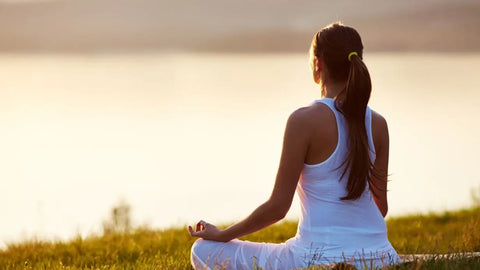
1. Mindfulness and meditation
- Spend a few minutes each day sitting quietly and focusing on breath and meditation.
- Notice breath sensations, return your attention when it wanders, and observe thoughts without judging them.
2. Deep breathing
- Try slow belly breaths: inhale through the nose for four counts, hold two, exhale for six. Repeat until your heart rate eases.
- Use counting or a calm image to keep attention on the breath.
- For guided techniques, see this resource.
3. Progressive muscle relaxation
- Tense each muscle group briefly, then release. Move from toes to head and notice how the body changes.
4. Time management
- Break tasks into small steps and prioritize. Use a planner or app to block time and limit multitasking.
5. Physical activity
- Move daily. Walks, dance, or short workouts lower stress hormones and boost mood. Pick what you enjoy and schedule it.
- See related benefits in our exercise post.
6. Healthy habits
- Eat whole foods, limit stimulants late in the day, and keep a regular sleep routine. For sleep tips, visit Sleep Foundation.
7. Setting boundaries and saying no
- Protect time and energy. Decline or delegate tasks that don’t match your priorities.
8. Seek support
- Talk to friends, family, or a professional when stress feels overwhelming. Sharing lightens the load and gives perspective.
9. Journaling and creative expression
- Write a quick log of what stressed you and one small action you can take. Draw, play music, or craft to process feelings.
10. Gratitude and thought work
- Note three things that went well each day. Challenge negative thoughts with facts and kinder alternatives.
Practice several techniques and keep the ones that fit your life. Small, consistent actions reduce stress over time.
How Homeopathy Can Help Relieve Stress
Homeopathy uses highly diluted natural substances chosen for a person’s pattern of symptoms. Practitioners match remedies to physical, emotional, and mental signs. People use homeopathy as a gentle adjunct to other stress-reduction methods.
Principles
- Holistic approach: remedies are selected for the whole person, not just one symptom.
- Personalized: treatment matches unique symptom patterns.
- Root-focused: the aim is to support the system rather than mask symptoms.
Safety and considerations
Homeopathic remedies are generally low risk when used properly. Still, consult your healthcare provider if you have serious conditions or take prescription medicines. Use homeopathy alongside good sleep, movement, and stress practices for best results.
Combining Homeopathy with Other Practices
Complementary approaches
Use homeopathy with meditation, yoga, acupuncture, massage, or herbal support to build a personalized stress plan.
Build a plan
- Pick the stress-relief practices that fit your schedule and temperament.
- Add homeopathic remedies if you want personalized support, after consulting a qualified practitioner.
- Create a daily routine with short, consistent practices: breath work, movement, sleep, and a quick gratitude note.
- Watch how your body responds and adjust. Ask for professional help if stress becomes unmanageable.

Bottom line
Stress is common, but you can reduce its impact with targeted practices and steady habits. Use quick tools like breath work and progressive relaxation when you need instant calm, and build routines—sleep, movement, boundaries—to lower everyday stress. If you want extra support, consider homeopathy as part of a wider plan and consult a practitioner.
Start with one small technique today, practice it for a week, and see how you feel. Small changes add up.
Deixe um comentário