





How to Manage Seasonal Allergies This Spring
Spring brings pollen, not just sunshine
Longer days and warmer weather mean more pollen in the air. For millions, that also means sneezing, itchy eyes, and a runny nose. Seasonal allergies happen when your immune system overreacts to airborne particles like pollen, mold, or pet dander.
What causes allergic reactions
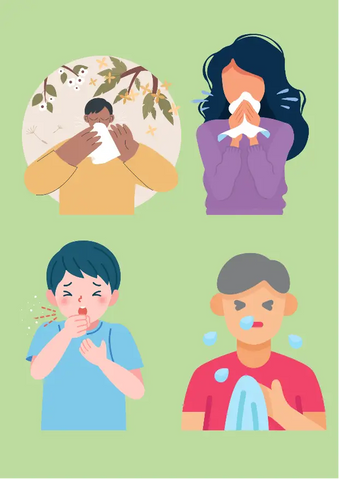
An allergy is an excessive immune response to substances called allergens. When you contact an allergen, your body releases histamine and other chemicals that cause symptoms such as:
- a runny nose
- coughing
- sneezing
- sore and itchy throat
- watery eyes
- itchy sinuses
- wheezing
- ear congestion
- skin rash
- headache
- shortness of breath
Allergy tendency runs in families, so parents often pass it to children. Common allergens include pollen, mold, dust mites, pet dander, certain foods, and insect stings.
Seasonal allergens and timing
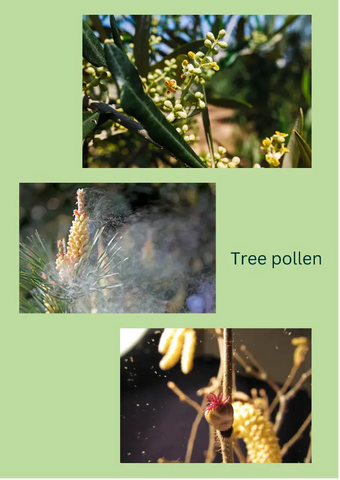
Tree pollen is usually first, starting in early spring. Tree pollen grains are light and travel far on windy days, so symptoms can appear well away from the source. If an allergen is present indoors, symptoms can last year-round.
As many as 30% of people worldwide get seasonal allergies. Ragweed affects about half of those, because its pollen is light and spreads easily. Spring allergy season commonly runs from February into early summer, with geographic variation.
Trees that pollinate early
- Cedar
- Alder
- Maple
- Pine
- Mulberry
- Birch
- Willow
- Ash
- Oak
- Beech
- Olive
- Cypress
- Cottonwood
- Elm
Grass, weeds, and ragweed
Grass pollinates mainly in late spring and summer. Common grasses include ryegrass, bermuda, timothy, fescue, and zoysia. Ragweed, which blooms in late summer and fall, causes severe problems for many people. A single ragweed plant releases huge amounts of pollen and can trigger symptoms across large areas.
Mold and indoor allergens
Rainy spring days reduce airborne pollen but increase mold growth. Mold lives in compost piles, fallen leaves, and rotting wood outdoors, and in damp indoor spots like basements, bathrooms, and kitchens. Mold spores cause itchy noses, watery eyes, and runny noses.
Insect bites and stings
Mosquitoes, bees, bed bugs, and ticks can cause allergic reactions that range from local swelling and itching to life-threatening anaphylaxis. Signs of severe reaction include hives, trouble breathing, dizziness, and fainting. Seek emergency care immediately if these symptoms happen.

BM97 may help your body to deal with allergies, a runny nose, hay fever, skin conditions, raised eosinophils, wheezing, coughing, shortness of breath, and chest tightness.
Grass pollination peaks in June and July, and molds like Alternaria and Cladosporium rise by mid-July. In winter, allergens tend to be indoors, which makes them easier to reduce with targeted measures.
Diagnosis and treatment steps
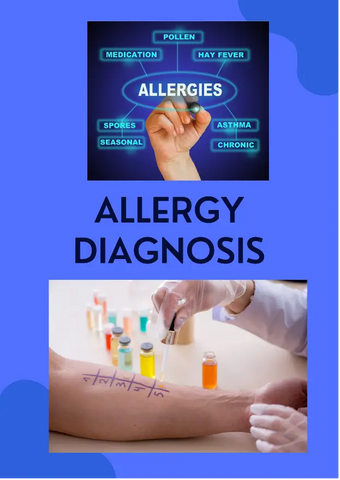
Start with your primary care doctor. They may refer you to an allergist for blood tests or skin-prick testing. A positive skin test produces a small red bump at the test site.
Common medical treatments include:
- Antihistamines: pills, liquids, nasal sprays, and eye drops. Some older antihistamines cause drowsiness, so avoid oral use of sedating types if you need to drive or operate machinery.
- Nasal corticosteroid sprays for persistent nasal inflammation.
- Decongestants for short-term relief of nasal stuffiness.
- Allergy shots or sublingual immunotherapy for long-term reduction in sensitivity when indicated by a specialist.
Besides medications, practical steps reduce exposure: keep windows closed on high-pollen days, run HEPA filters, shower and change clothes after outdoor activities, wash bedding in hot water, and control indoor humidity to limit mold.
When to seek urgent care
Go to the emergency room or call emergency services if you or someone else has trouble breathing, swelling of the face or throat, fainting, or other signs of anaphylaxis.
Practical daily tips
- Check local pollen counts and plan outdoor time when counts are lower, usually after rain or late in the evening.
- Use saline nasal rinses to flush pollen from nasal passages.
- Keep pets off bedding if pet dander triggers you, and bathe pets regularly.
- Replace HVAC filters regularly and consider a HEPA air purifier in bedrooms.
Seasonal allergies can be managed with the right mix of avoidance, medicines, and specialist care when needed. Talk to your doctor about a plan that fits your symptoms and lifestyle.
Deixe um comentário