





Natural Remedies for Irritable Bowel Syndrome
Irritable bowel syndrome, or IBS, causes cramps, bloating, gas, diarrhea, constipation, and abdominal pain. Symptoms vary, but most people learn ways to reduce flare-ups and live normally.
This condition affects up to 18% of people worldwide, and many find relief through diet, lifestyle, and targeted supplements.
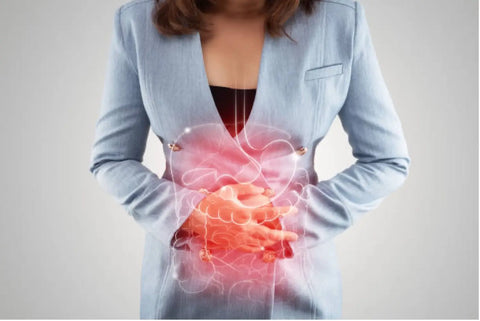
Common IBS symptoms
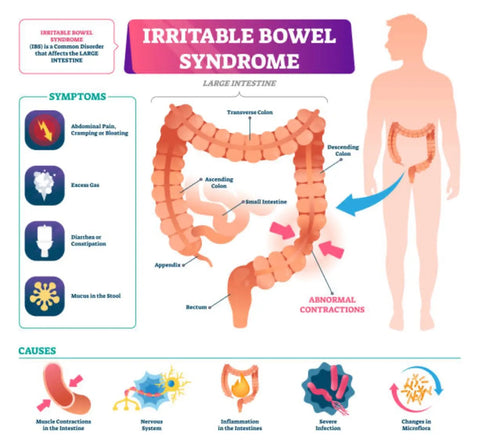
IBS symptoms often persist and can be uncomfortable or embarrassing. They commonly include:
- Gas and bloating, a frequent and persistent feeling of fullness.
- Pain and cramps, usually in the lower abdomen; pain often eases after a bowel movement.
- Constipation, defined as fewer than three stools a week; stools can be hard and difficult to pass.
- Diarrhea, with sudden urges and loose, watery stool that may contain mucus.
- Changes in bowel habits; some people alternate between constipation and diarrhea.
- Mixed symptoms, combining diarrhea and constipation; this affects about one quarter of people with IBS.
- Fatigue, anxiety, depression, and sleep problems; over half of people with IBS report at least one mental health issue tied to their symptoms.
Who is at risk
The exact cause of IBS is unknown, but these factors raise the likelihood:
- Family history of IBS, suggesting genetic or shared environmental factors.
- Age under 40 increases risk, though IBS can occur at any age.
- Stress and higher cortisol levels, which can affect gut function.
- Gender, with women more likely to develop IBS and to report stronger symptoms.
- Alcohol consumption, since regular drinking may worsen symptoms for some people.
- Prior stomach infection or a disrupted gut microbiome.
Foods and habits to avoid
Many people notice flares after certain foods or during stressful times. Common triggers include:
- chocolate, spices, and fatty foods
- dairy and some fruits high in fructose, like apples and pears
- beans, cabbage, cauliflower, broccoli
- alcohol and carbonated drinks
Diagnosing IBS
There is no single test that proves IBS. Doctors diagnose it by recurring symptoms and by ruling out other conditions. The Rome criteria require abdominal pain at least one day a week for three months plus related bowel changes.
Treatment ranges from lifestyle changes to prescription medicines depending on severity. Common medications include psyllium and laxatives for constipation, anticholinergics and anti-diarrheals for diarrhea, and certain antidepressants for pain reduction. Talk to your doctor about side effects before starting any drug.
Natural ways to manage IBS
Small, consistent changes often make the biggest difference. Here are practical, evidence-based steps you can try.
Dietary approaches
1. Low-FODMAP diet
Follow a low-FODMAP diet to reduce fermentable carbs that draw water into the gut and worsen symptoms. Work with a dietitian for guidance and to avoid unnecessary restrictions.
Other food tips
- Keep a food and symptom diary for 2 to 4 weeks to identify personal triggers.
- Eat regular, smaller meals rather than large heavy meals.
- Drink plenty of water, especially if you increase fiber or use laxatives.
Lifestyle and stress
- Manage stress with practical tools: daily walks, sleep consistency, breathing exercises, or short meditation sessions.
- Exercise regularly, which helps bowel motility and reduces stress.
- Prioritize sleep; poor sleep often worsens symptoms and mood.
Supplements and probiotics
Some supplements help certain people:
- Psyllium fiber can ease constipation-predominant IBS when taken with enough water.
- Probiotics may help diarrhea or bloating for some people; strains and doses matter, so try a 4 to 8 week trial and track results.
- Peppermint oil can reduce spasm-related pain in some patients. Start with enteric-coated capsules and consult your clinician first.
When to see a doctor
See a clinician if you notice blood in stool, unexplained weight loss, fever, or new symptoms after age 50. Also get help when symptoms stop responding to self-care. A healthcare provider can rule out other conditions and tailor treatment to your type of IBS.
Small, steady changes in diet, stress, and routines often cut symptom frequency and intensity. Pair those changes with medical advice when needed.
Deixe um comentário