





Natural Ways to Improve Liver Function
The liver regenerates and handles a huge workload, so small daily choices add up fast. Start with practical habits you can keep.
What the liver does
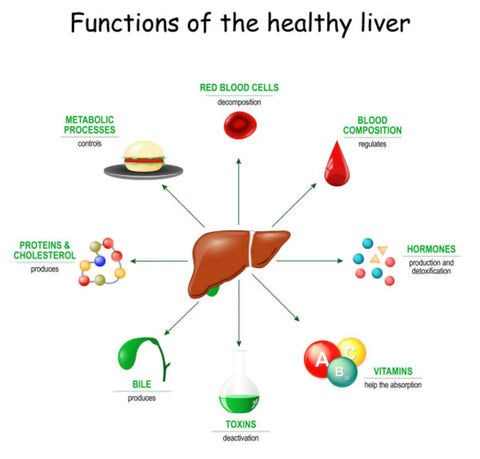
The liver sits on the upper right side of your abdomen, weighs about 1200 to 1600 grams, and filters roughly 1.5 liters of blood every minute. It handles fat and carbohydrate metabolism, stores vitamins and minerals, makes essential proteins, and transforms toxins so your body can excrete them.
Fat metabolism
Hepatocytes make bile and process fats from food into phospholipids, triglycerides, and cholesterol. The gallbladder stores bile, which helps break down dietary fat in the intestines. The liver-made cholesterol also helps produce vitamin D, hormones, and bile.
Carbohydrate metabolism
Dietary carbohydrates break down into glucose, which the liver stores as glycogen or converts to fatty acids. That stored glucose can fuel you for about 24 hours without food. The liver also makes glucose from other substances when needed to keep blood sugar steady.
Vitamins, minerals, and hormone handling
The liver stores vitamins A, D, E, B12, K, and iron. It also helps inactivate hormones such as insulin, glucagon, and estrogen.
Protein metabolism
The liver assembles plasma proteins from amino acids: immunoglobulins, clotting factors, and transport proteins that carry iron and copper around the body.
Toxin biotransformation
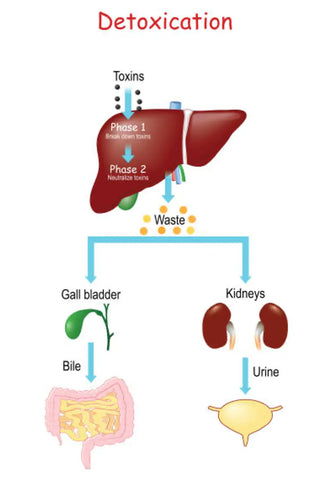
The liver converts many drugs and toxins into more water-soluble forms for excretion in urine and stool. Alcohol is mostly metabolized in the liver, which is why repeated drinking raises alcohol tolerance but also increases risk of liver damage.
Common liver problems and warning signs
The liver can regenerate, but diseases often progress quietly. When scarring becomes severe, the organ loses function and a transplant may be the only option.
Causes of liver disease include metabolic and vascular disorders, genetics, viral infections, substance use, medication toxicity, autoimmune conditions, fat accumulation, and cancer. About one in ten Americans has liver disease.
Watch for these signs:
- Dark urine
- Fatigue
- Nausea or vomiting
- Pale stools
- Yellowing or itchy skin
- Abdominal pain
- Easy bruising
- Loss of weight or appetite
- Bloating, gas, or constipation
- Swelling in ankles or legs
- Enlarged liver
- Weakness or confusion
- Tenderness over the liver
- Diarrhea or sweating
- Blood in stool or vomit
Common liver diseases
Hepatitis
Hepatitis can be acute or chronic. Acute cases resolve within six months and can come from viruses, toxins, fatty liver, or parasites. Chronic hepatitis lasts longer than six months, often from hepatitis B, C, or D, autoimmune causes, or medication effects. Chronic inflammation leads to fibrosis and gradual loss of function.
Toxic liver damage
The liver filters toxins. Predictable damage depends on dose, as with acetaminophen, some antibiotics, antidepressants, oral contraceptives, chemotherapy drugs, and certain antifungals. Unpredictable reactions are genetic and not dose-related. If you have drug-related liver injury, avoid repeating the offending medication.
Alcoholic liver disease
Excessive alcohol intake overwhelms the liver's ability to process toxins and fats, causing inflammation, fat buildup, and ultimately scarring.
If you notice persistent symptoms or have risk factors, see your doctor for testing. Early changes are easier to treat.
For targeted support, some people use supplements such as BM62 to address weakness, appetite loss, and skin changes, but talk with your clinician before starting any new supplement or medication.
Deixe um comentário