





Pregnancy Nutrition Tips to Support You and Your Baby
One of the first things pregnant women hear is that they should now eat for two. That statement is misleading. During pregnancy focus on what your body needs, not on doubling portions.
Good nutrition during pregnancy lowers the risk of birth defects, supports brain development, and helps the baby reach a healthy birth weight. It can also reduce morning sickness, fatigue, and anemia.
Nutrition converts food into the energy and building blocks your body and the fetus need. Poor nutrition is a real risk during pregnancy, and many women benefit from making dietary changes before conception. The first weeks after conception are critical for fetal organ development, even before many women know they are pregnant.
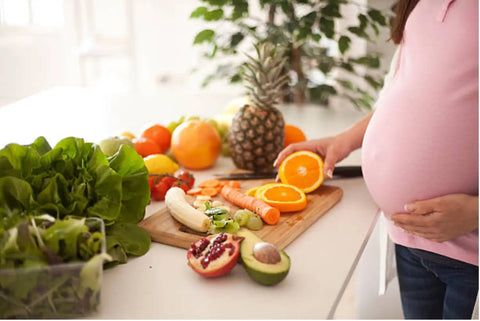
Here are practical, evidence-based nutrition steps you can take right now.
1. Eat smarter, not twice as much
If your pre-pregnancy calorie needs were about 2000 to 2300 kcal, follow these general guidelines:
- First trimester: about the same, 2000–2300 kcal
- Second trimester: roughly 300 extra kcal, about 2300–2600 kcal
- Third trimester: 300–450 extra kcal, about 2300–2750 kcal
The first weeks are busy building the baby's organs, so keep eating even if morning sickness makes food unappealing. Aim for five smaller meals a day: breakfast, a mid-morning snack, lunch, an afternoon snack, and dinner. Balance carbohydrates for energy, proteins for tissue growth, and healthy fats for brain development.
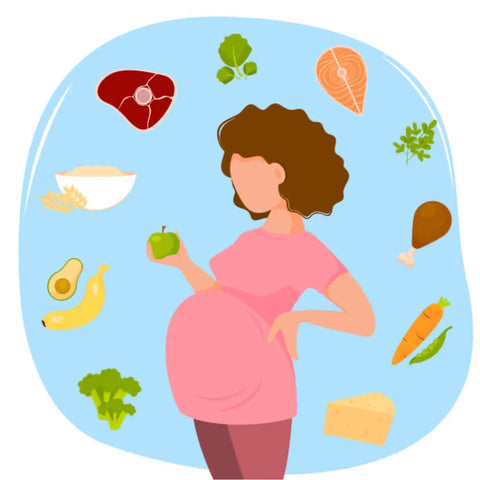
Key nutrients to prioritize
- Calcium
Calcium lowers the risk of preeclampsia and supports the baby's bones and teeth. Aim for about 1000 mg daily. Good sources include dairy, dark green vegetables, sesame, amaranth, whey, white beans, and almonds. Increasing calcium helps protect maternal bone and dental health.
- Folic acid (vitamin B9)
Folic acid is critical in the first four weeks when the neural tube forms. Start folic acid before conception if possible. The recommended intake is 0.4 mg (400 mcg) daily; many women need a supplement to reach that level. Foods with folate include poultry, beans, leafy greens, wheat germ, yeast, citrus, and berries.
- Omega-3 fatty acids (EPA and DHA)
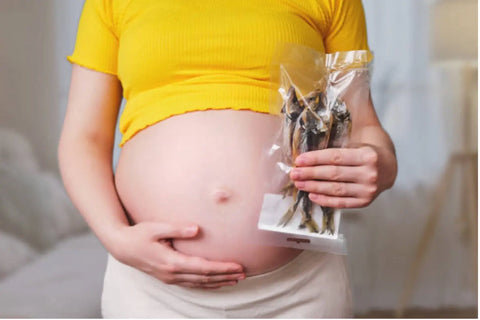
Omega-3s support fetal brain and eye development and may reduce perinatal depressive symptoms. Aim for about 1.4 g total omega-3s daily, with roughly 300 mg from supplements if needed. Choose mercury-free DHA supplements. Food sources: eggs, flaxseed oil, salmon, anchovies, mackerel, sardines, chia, krill oil, walnuts, tofu, and seaweed. Prefer low-mercury fish and freshly prepared seafood.
- Iron
Blood volume rises in pregnancy, increasing iron needs. Iron supports fetal growth and brain development. Target about 27 mg daily. Eat iron-rich foods like red meat, eggs, leafy greens, beans, and lentils, and pair them with vitamin C to improve absorption. If diet falls short, take an iron-containing prenatal vitamin.
- Vitamin D
Vitamin D aids calcium absorption, supports bone growth, and helps immune and metabolic health. Sun exposure produces vitamin D, and food sources include salmon, sardines, cod liver oil, eggs, fortified milk, and shrimp. Recommended intake is about 400–600 IU daily; most prenatal vitamins include this amount.
2. Maintain a healthy weight
Weight gain is expected and depends on pre-pregnancy BMI. Typical total gain ranges around 11–16 kg for many women, with most weight gained during the last trimester. Focus on steady gains and follow your clinician's guidance, especially if you have gestational diabetes or other metabolic issues.

3. Prepare food safely
Clean surfaces and hands, wash produce under running water, refrigerate perishables promptly, and check expiration dates. Cook meats thoroughly and choose pasteurized dairy and juice to reduce risk of foodborne illness. Take extra care in warm weather to avoid contamination.
4. Foods to avoid or limit
Avoid these during pregnancy:
- Raw and undercooked meat
- Unpasteurized milk and soft cheeses
- Raw fish and shellfish, smoked seafood
- Liver and liver products
- Raw eggs and meat spreads
- Alcohol
- Raw sprouts and ready-to-eat salads from uncertain sources
- Energy drinks
Reduce but do not need to fully forbid:
- Fast food and highly processed items
- Added sugars
- Caffeine—keep intake moderate; discuss exact limits with your provider
If you have questions about supplements, intolerances, or a specialized diet, talk to your obstetrician or a registered dietitian who works with pregnant people. Small, consistent choices add up. Prioritize nutrient-dense meals, safe food handling, and prenatal vitamins as advised by your clinician.
Deixe um comentário