





Winter Skin Repair: Hydration, Nutrition, Natural Remedies
Cold air and indoor heating leave many people with dry, flaky, and irritated skin even as winter ends. Harsh winds and low humidity strip moisture and weaken the skin barrier, so you need a clear plan to restore comfort and resilience.
Moisturizer helps, but lasting repair combines better hydration, targeted nutrition, and smarter daily habits. Small changes—like swapping a harsh cleanser or cutting back on hot showers—make a noticeable difference. Below are practical steps you can use right away.

Why winter dries your skin
Cold air holds less moisture, and indoor heating lowers humidity further. That increases transepidermal water loss, so the skin feels tight and can crack or peel. People with eczema or psoriasis often see flare-ups because the protective lipid layer gets damaged.
Avoid habits that worsen dryness: long hot showers, alcohol-based toners, and harsh soaps strip oils that keep skin soft. Also, many people drink less water in cold weather, which reduces internal hydration.
Simple habit changes protect the skin barrier and speed recovery.

BIO20 supports healthy cell regeneration and promotes the skin's youth, radiance, and healthy appearance. This combination of cell salts is recommended for eczema, psoriasis, acne, pemphigus, and dandruff. It is also useful for visible scars, cradle caps, and neonatal dermatitis.
Nourish from the inside: hydration and diet
Hydration matters year-round. Heating dries the air, so sip water throughout the day. Herbal teas and broths count too. Skip excess alcohol and caffeine, they pull moisture out of your system. Add a slice of lemon or a pinch of sea salt to water to help electrolyte balance and absorption.
Key nutrients that help
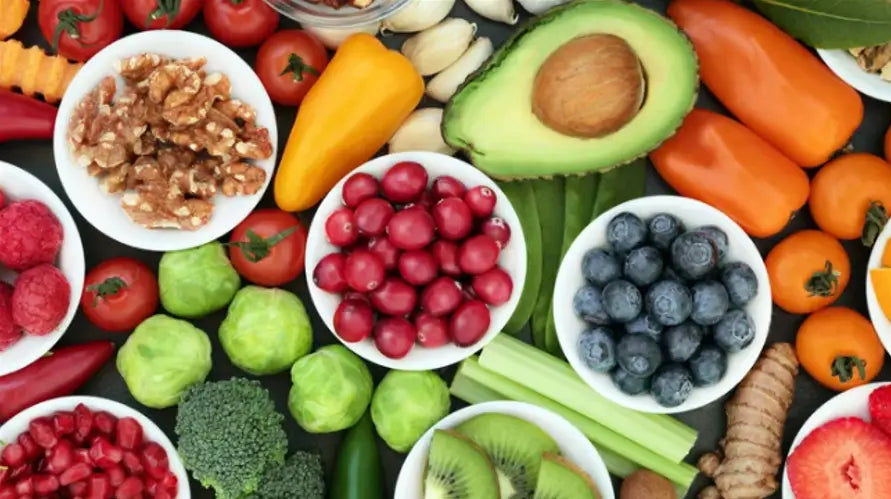
Eat foods that rebuild the skin barrier and reduce inflammation.
- Healthy fats: avocados, nuts, seeds, olive oil, and fatty fish. Omega-3s reduce inflammation and help skin retain moisture.
- Vitamin E: almonds, sunflower seeds, spinach. It protects lipids in the skin and supports moisture retention.
- Vitamin C: citrus, bell peppers, leafy greens. It supports collagen production for firmer, more hydrated skin.
- Zinc: pumpkin seeds, chickpeas, lentils. Zinc aids healing and reduces dryness-related inflammation.
- Water-rich foods: cucumbers, celery, oranges, watermelon. They contribute to overall hydration.
Supplements that help in some cases
If diet falls short, consider omega-3 capsules (fish oil or algae) to reduce dryness and inflammation. Collagen peptides can improve elasticity and moisture, though results vary. Always check with your clinician before starting new supplements.
Deixe um comentário