





10 Daily Habits That Actually Support Mental Health
Mental health matters for how you act, feel, and think. The World Health Organization calls mental health a fundamental human right. It shapes how you handle stress, connect with people, and make decisions. While you can’t change genetics or past events, small daily habits make a real difference.
Poor mental health can lead to conditions like insomnia, depression, anxiety, eating disorders, and addiction. Good mental health improves your productivity, relationships, and sense of purpose.
1. Get active

Exercise releases dopamine and serotonin, and that helps both body and mind. Regular activity reduces stress, eases depression and anxiety, improves sleep, and raises self-esteem. You don’t need intense workouts. Walk, garden, dance, stretch at your desk, or take a weekend hike. Pick what you enjoy and build it into your day.
2. Prioritize quality sleep

Sleep quantity and quality both matter. Aim for more than six hours and keep a regular bedtime and wake time. Avoid caffeine at least three hours before bed, and make your sleep space quiet and clean. If sleep problems persist, consult a sleep specialist.
3. Eat to support your brain
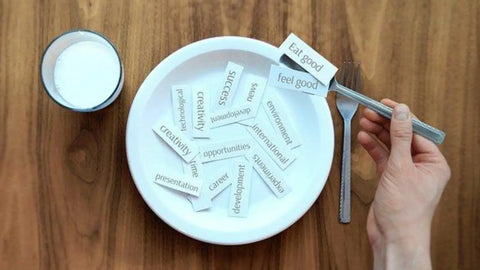
Food affects mood. Tryptophan-rich items like eggs, turkey, spinach, bananas, pineapple, and nuts support serotonin production. Stay hydrated through the day. If you enjoy one cup of coffee each morning, studies show it may lower the risk of some mental health issues.
4. Limit screens and social media

Constant connection can increase comparison and loneliness. Try a weekly day off the grid, set daily time limits, or use built-in phone tools to track activity. Spend that reclaimed time with people who lift you up.
5. Volunteer and help others
Giving time to others boosts self-esteem, builds skills, and creates connection. Small acts of kindness count: listen to a friend, thank someone, or visit a neighbor who needs company. Volunteering strengthens your sense of purpose and improves mood.
6. Rest intentionally

Rest includes relaxation techniques like deep breathing, guided imagery, meditation, yoga, tai chi, massage, or aromatherapy. A warm bath with Epsom salt can raise magnesium and ease tension.
Mag Phos 6x is best used for stabbing nerve pain, muscle spasms, and twitching. Recommended for spasms, hiccups, or menstrual cramps. It is an excellent antispasmodic and useful for muscular neuralgia, headaches, toothaches, dysmenorrhoea, and more.

7. Practice gratitude
Write 2 to 3 things you’re grateful for each day. Add a small win from the day too. Reading back through your notes helps when you need a mood reset. Gratitude trains your attention toward what works, and that shifts your mindset over time.
8. Get some sunshine

Responsible sun exposure raises vitamin D and serotonin. Aim for 5 to 15 minutes a few times a week, or spend lunch outside. Use sunscreen for longer sessions.
9. Do things you enjoy and learn new skills

Learning keeps your mind active and builds confidence. Join a class, try pottery, take language lessons, or pick up a musical instrument. Hobbies connect you to people and give your day structure.
10. Connect with others

Social interaction matters. Call a friend, eat lunch with a coworker, play games with family, or visit someone who needs company. Laughter and shared time relieve stress and improve mood.

BM186 is useful for emotional distress and trauma. It may help your body to deal with fatigue and poor concentration. Effective natural support for anxiety and ability to cope with stress.
The bottom line
Small, consistent habits add up. Focus on sleep, movement, good food, meaningful connections, and regular rest. Pick one habit to start, practice it daily, and add another when it feels steady. Over time, these choices change how you feel and function.
Sources: NHS, Mental Health America, Carolina Wellness, Healthline, Bestmade Natural Products, Tri-City Medical Center, Utah State University
Leave a comment