





How to Improve Brain Health Naturally
Judging by how many billions of dollars people spend every year on weight loss, hair care, white teeth, and beautiful skin, it's obvious that tens of millions of people care about their physical health and wellness. However, what about improving their brain health? This is a sadly neglected aspect to many people's healthcare regimens. Fortunately, there are many things you can do to improve your brain health. Keep reading to learn what you can do to improve your brain’s health, as well as what supplements can do to help you.
Practical steps that help your brain
Lower Your Blood Sugar
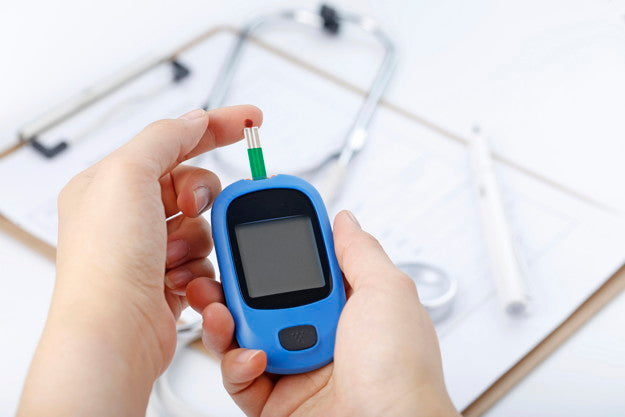
The brain uses more energy than any other organ, and it relies heavily on glucose. The standard American diet supplies a lot of sugar, often too much for long-term health. High sugar intake harms cognitive skills and weakens self-control because sugar triggers reward pathways and cravings. Cutting back on sweets, salty snacks, and high-fat processed foods helps reduce overeating and supports clearer thinking.
Practical tips
- Choose whole foods, vegetables, lean proteins, and fiber to steady blood sugar.
- Aim for regular meals and snacks to avoid large glucose spikes.
- Monitor added sugar on labels, and swap sugary drinks for water or unsweetened tea.
Cholesterol and brain function
Cholesterol affects more than heart health. The brain contains about 25 percent of the body's cholesterol, even though it is only 2 percent of body weight. Cholesterol helps form cell membranes and hormones, so maintaining healthy levels matters for brain cell function and the blood-brain barrier.
Exercise and a balanced diet lower harmful cholesterol and support cognitive function. Some studies show that cholesterol-lowering medications can reduce dementia risk and improve memory in certain groups, but you should discuss medication decisions with your clinician.
Exercise and the brain
Even 20 minutes a day of light physical activity improves memory, attention, and the formation of new neuronal connections. Exercise raises heart rate, increases blood flow to the brain, and stimulates hormones that support brain growth and resilience.
Make it doable
- Walk, cycle, swim, or do a short bodyweight routine most days.
- Break activity into two 10-minute sessions if that fits your schedule better.
- Include activities you enjoy so you keep doing them.
Blood pressure and brain risk

High blood pressure damages artery linings and reduces blood flow, increasing stroke and vascular dementia risk. You can lower blood pressure through weight loss, reduced sodium, regular activity, and medications when needed.
Meditation strengthens concentration

Meditation increases grey matter activity and improves concentration, mood, and anxiety. Research shows consistent practice produces measurable changes in brain volume and attention. Even short daily sessions can reduce rumination and help you focus.
Sleep and memory

Sleep restores brain cells and supports memory consolidation. Adults generally need 7 to 9 hours per night. Lack of sleep reduces attention, short-term memory, and visual processing.
Quit smoking for mental health

Smoking increases risk for depression and anxiety and harms brain health over time. Quitting lowers stress and negative mood, and can improve response to mental health medications. If quitting is hard, try nicotine replacement or prescription options and get support from a clinician.
The role of supplements
Supplements can fill dietary gaps that affect brain health, but they do not replace healthy habits. Look for evidence-based supplements and talk with your clinician about interactions with medications. Examples often discussed include omega-3s, vitamin D, B vitamins, and specific botanical supplements. Consider lab testing or professional guidance before starting daily supplements.
BM10 may help your body deal with glycosuria, blood sugar, thirst, and negative feelings.

Small, consistent changes add up. Focus on steady blood sugar, healthy lipids, regular activity, good sleep, quitting smoking, and targeted supplements when needed. Those steps reduce risk for stroke and dementia, and they improve daily concentration and mood.
Leave a comment