





Gentle Solutions: Natural Approaches for Relieving Ovarian Cyst Symptoms
Ovarian cysts can cause dull aches, sudden sharp pain, bloating, and changes to your cycle. Many cysts resolve on their own, but symptom relief is possible with safe, gentle measures while you wait for a diagnosis or medical treatment.
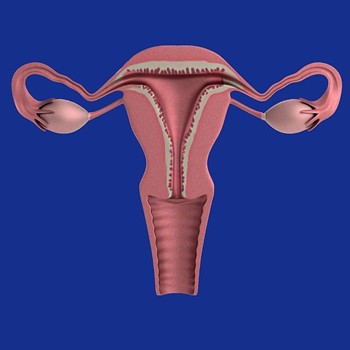
Types of ovarian cysts
The two main categories are functional cysts and pathological cysts. Functional cysts form as part of the normal menstrual cycle and usually disappear within a few cycles. Pathological cysts come from abnormal cell growth and sometimes need intervention.
Functional cysts
- Follicular cysts: a follicle fails to release an egg and continues to grow.
- Corpus luteum cysts: the post-ovulation follicle fills with fluid instead of dissolving.
Pathological cysts
- Dermoid cysts: contain tissues like hair or skin.
- Cystadenomas: arise from the ovary surface and may be filled with watery or mucous fluid.
- Endometriomas: form when endometrial-type tissue attaches to the ovary.
Common symptoms
Not all cysts cause symptoms, but when they do you might notice:
- Pelvic pain, from a dull ache to sudden sharp pain on one side.
- Bloating or pressure in the lower abdomen.
- Changes to your period, including irregular bleeding or spotting.
- Pain during sex or pressure on the bladder that increases urination.
- Nausea or vomiting if a cyst becomes large or twists.

What causes cysts
Causes depend on the cyst type. Functional cysts follow the menstrual cycle. Hormonal imbalance, endometriosis, fertility treatments, and pregnancy can also play a role. Often, no single cause is identified.
How cysts are diagnosed
Diagnosis usually starts with a medical history and pelvic exam. A transvaginal ultrasound gives a clear image of size and features. Sometimes providers order blood tests, MRI, or CT if they need more information.

Treatment options
Treatment depends on size, symptoms, and type. Small, simple cysts often get monitored. Persistent, large, or complex cysts may need medication or surgery. Your clinician will advise based on imaging and symptoms.
Gentle, evidence-based remedies to ease symptoms
These measures focus on comfort and reducing inflammation while you follow up with your provider.
Pain relief
- Over-the-counter NSAIDs (ibuprofen or naproxen) reduce inflammation and pain. Follow dosing instructions on the package or from your clinician.
- Heat packs applied to the lower abdomen for 15 to 20 minutes help relax muscles and ease cramping.
Diet and hydration
- Eat regular meals high in whole grains, vegetables, and lean protein to support stable blood sugar and reduce bloating.
- Avoid excess salt, alcohol, and caffeine if they worsen bloating or breast tenderness.
- Drink enough water; dehydration can make cramps feel worse.
Topical castor oil packs (used traditionally)
Some people find castor oil packs comforting for pelvic discomfort. If you try this, use a clean cloth, apply the oil externally, and never ingest castor oil without medical guidance. Stop if the skin becomes irritated.
Movement and rest
- Gentle walking and light stretching can ease circulation and reduce tension.
- Rest during severe pain, and avoid heavy lifting or intense exercise until you know the cause.
When to get urgent care
Seek immediate medical attention for sudden, severe pelvic pain, fainting, rapid breathing, fever with pelvic pain, or heavy bleeding. Those can signal rupture, torsion, or bleeding.
Working with your clinician
Bring a clear symptom history to appointments: timing, duration, triggers, and any treatments you've tried. Ask how long your clinician recommends monitoring, what signs mean you should return sooner, and the pros and cons of hormonal or surgical options if they apply.
Final notes
Many ovarian cysts are temporary and manageable. Use safe, supportive measures for symptom relief, and follow up with your healthcare provider for proper evaluation and treatment when needed.
Ovarian cysts information in this post is for general understanding and does not replace professional medical advice.
Leave a comment