





Post-Workout Routine: 7 Steps for Faster Recovery
Getting a good workout is a win, but what you do afterward determines how well you recover and how quickly you get back to training. Treat the minutes and hours after training as part of the session, and you’ll avoid soreness, stay consistent, and make steady progress.
1. Cool Down and Stretch
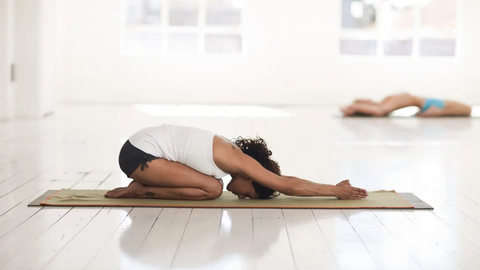
You just finished a hard session, so slow your heart rate with 5 to 10 minutes of light movement—walking, easy cycling, or gentle jogging. Follow that with targeted stretching while your muscles are still warm. Focus on the muscle groups you trained: hamstrings, quads, and calves after lower-body work; shoulders, chest, and triceps after upper-body work. Stretching improves flexibility and reduces stiffness.
2. Hydrate Effectively
Sweat means lost fluids and electrolytes. Start with plain water to rehydrate. For long or intense sessions, add electrolytes to replace sodium and potassium. Sports drinks work, but check sugar content; coconut water is a lower-sugar alternative that still provides electrolytes.
Water supports temperature regulation, nutrient transport, and joint lubrication, so keep sipping during and after your workout.

3. Eat for Repair
Eat within 30 to 60 minutes. Aim for protein plus carbs. Protein supplies amino acids for muscle repair, carbs refill glycogen. Good options: a protein smoothie with banana and almond milk, whole-grain toast with peanut butter and Greek yogurt, or a protein bar and a piece of fruit. Even a small snack helps start recovery.

4. Use a Recovery Supplement
A targeted recovery supplement can help support muscle repair and metabolic recovery. Our Recovery Remedy combines natural ingredients chosen to support lean muscle development, metabolic function, and mood after intense sessions. It’s designed for regular use and may be especially helpful for people over 35.
Supplements are not a substitute for good food and hydration, but they can be a helpful, consistent addition to a recovery plan when chosen carefully.

5. Rest and Active Recovery
Muscles repair when you rest. Schedule both active recovery days and full rest days. Active recovery means low-intensity movement that boosts blood flow without adding stress—walking, light cycling, or yoga. Passive recovery means a complete rest day when your body clearly needs it.

6. Monitor Sleep and Stress
Quality sleep speeds recovery and supports hormone balance. Aim for consistent sleep and manage stress with breathing, short walks, or light stretching. Reduced stress and better sleep help muscles rebuild and improve performance at the next workout.
7. Track Progress and Adjust
Keep a simple log of workouts, soreness, sleep, and energy. If soreness lingers or performance drops, increase recovery time, tweak nutrition, or reduce workout intensity. Small, regular adjustments keep you healthy and moving forward.
Follow these seven steps after most workouts and you’ll recover faster, lose less training time to soreness, and make steady gains.
Leave a comment