





How to Detox Your Hair Naturally — Part I
Detox your body, mind, and spirit is a common addition to wellness routines. You can also detox your hair, and it pays off: less build-up, more manageable strands, and a healthier scalp.
Below are simple, practical methods to remove product residue, impurities, and chemical buildup. Pick the approach that fits your hair type and sensitivity.

Silicea helps with common skin issues and supports brittle hair and nails.
People have many hair textures, so include options and be gentle with fragile strands.
Getting Started
Strip Your Hair
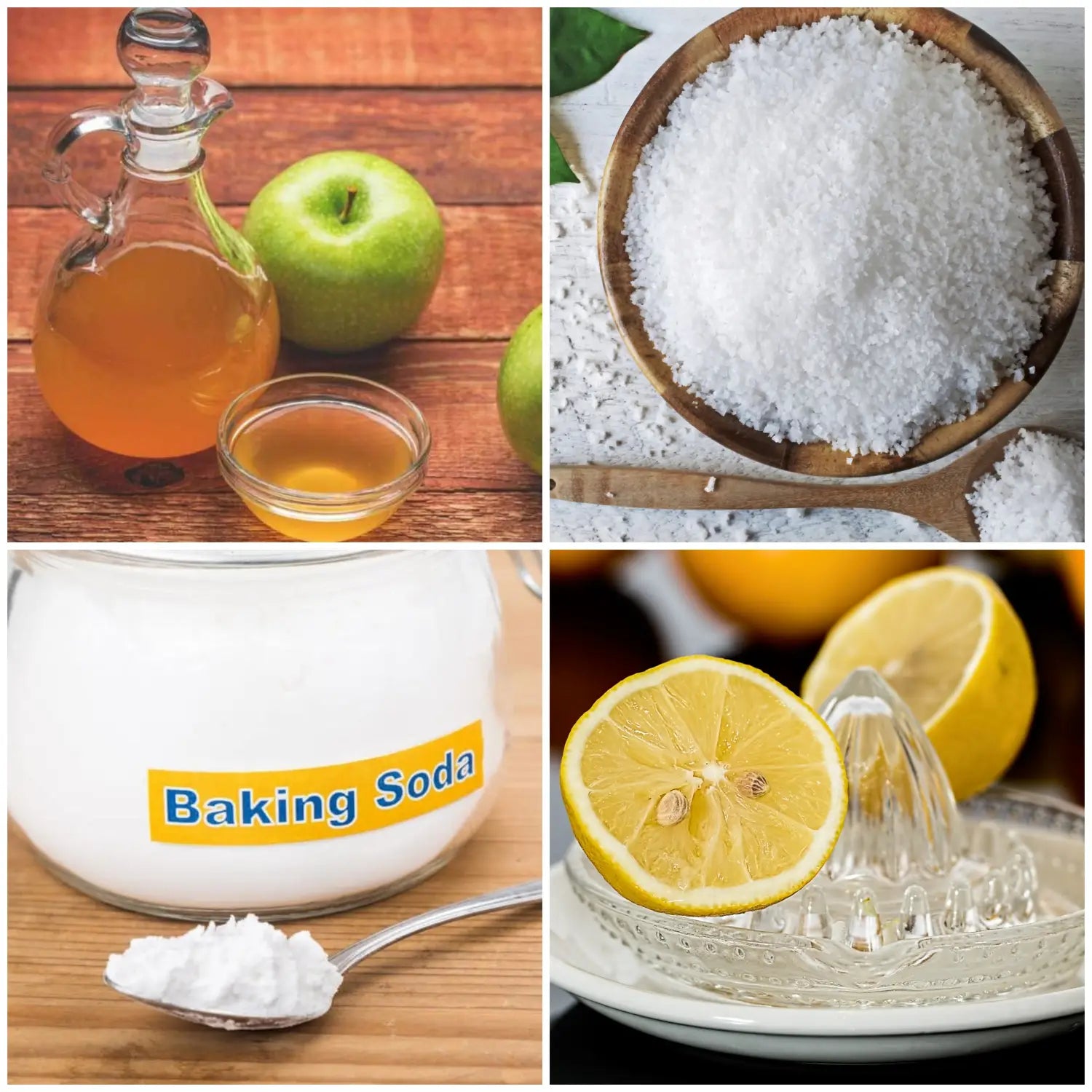
Product buildup from styling products, dry shampoo, and silicone ingredients like dimethicone weighs hair down and dulls shine. Start by stripping residues using a rinse: apple cider vinegar, baking soda, or a mix of Epsom salts and lemon juice. Massage the scalp as you rinse to loosen buildup.
Henna coloring can also strip and condition at once, but use organic, non-GMO henna and follow directions carefully.
A Gentle Option
If your hair is dry or fragile, skip harsh clarifiers. A light apple cider vinegar rinse with a few drops of essential oil is kinder. I use Ylang Ylang and lavender; they calm the scalp and leave a soft scent.

Hair Support supports hair growth and may help with hair loss and damaged hair.
Maintenance Methods
No Poo
No poo skips commercial shampoos. After detoxing, use a castile soap bar or shampoo bar if needed. Many people replace shampoo with a baking soda rinse to cleanse, then apple cider vinegar as a conditioner. Rinse with cool water to close the cuticle. The vinegar scent fades as hair dries.
Low Poo
Low poo means using gentle, low-foam cleansers, ideally organic. Apply product to the scalp, massage until it foams, then let running water rinse it down the length of the hair. Cool water at the end improves manageability and seals the cuticle. Often you can skip conditioner because you keep more natural oils in the hair.
Co-Washing
Co-washing, or conditioner-only washing, works well for many textures, including fine hair. Follow these rules:
- Do not use conditioners that contain silicones, they cause build-up.
- Rinse hair thoroughly before starting.
- Apply product from root to tip on wet hair.
- Massage the scalp for several minutes to lift oil and dirt.
- Rinse with warm water, finish with cool water to seal the hair shaft.
Warning: Long-term co-washing can lead to build-up. Most people clear that by using a gentle sulfate-free shampoo periodically. Find the rhythm that suits your hair — monthly for some, more often for others.
Expect an adjustment period after a detox. Hair may feel dry or slightly oily for a few days to two weeks. After that, your strands will be stronger, easier to manage, and may grow better.
Look for recipes and treatments in Hair Detox Part II - A Little Extra TLC for Your Hair.
Leave a comment