





How to Practice Self-Love: Clear Steps That Work
We manage relationships with friends, family, coworkers, and partners. Often we focus so much on others that we forget to check in with ourselves. Regular self-checks matter.
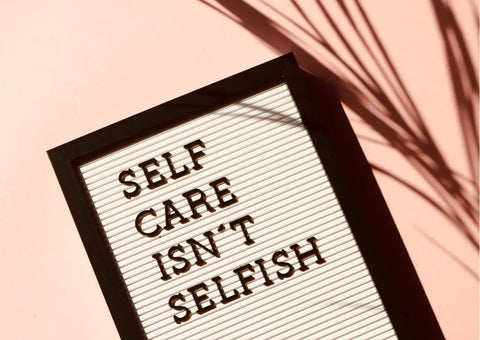
The importance of loving oneself is practical: it helps you respond to setbacks without constant self-criticism and gives you room to grow.
We often say things like "you have to love yourself more." That advice can feel vague. The goal is to turn that idea into daily practices that build self-respect and resilience.

What is self-love?
Self-love means valuing yourself in what you do and what you think. It looks like meeting your own needs, refusing to accept less than you deserve, and treating yourself with care instead of harsh judgment.
Self-love grows over time. When you practice it you:
- accept strengths and weaknesses more easily,
- stop over-explaining your mistakes,
- show yourself compassion,
- seek personal meaning,
- align actions with your values and purpose,
- prioritize self-improvement,
- and find more satisfaction in everyday efforts.

Why self-love matters
We find it easier to love other people because we often only see their best sides. Loving yourself means accepting the parts you hide, imperfect thoughts included. Perfectionism and constant self-criticism increase worry. Practicing self-love reduces that pressure and helps you move forward.
Ask yourself: what would you do for someone you love on a tough day? Offer that same support to yourself. That kind of care matters even when you struggle with anxiety, depression, or other mental health challenges.
Benefits of self-love
Self-love helps across relationships and daily life. Small daily steps pay off. Key benefits include:
Stress and anxiety relief
When you value yourself, fear of rejection and constant second-guessing fade. Minor setbacks stop derailing your mood.
More joy
Happiness is not only an outcome of external achievements. Choosing compassion and practicing self-kindness build lasting contentment. Research links compassion with greater well-being.
Increased motivation
Confidence that comes from self-respect makes new goals feel achievable. You push forward rather than freeze at the start.
Better physical and mental health
Self-compassion relates to improved immune function, steadier glucose levels in diabetes, and better relaxation. Simple habits like nutritious meals, learning new skills, or small daily wins strengthen health.
Practical self-care habits that build self-love
Pick a few practices and repeat them. Consistency matters more than perfection.
Develop basic self-care skills
Doing daily tasks like showering, dressing, or brushing teeth gets harder when you’re depressed or anxious. Treat these actions as wins. Small routines are the foundation of feeling better.
Prioritize sleep
Sleep affects mood and health. Avoid caffeine and sugar close to bedtime, and create a calm evening routine to reduce stress before sleep.
Choose long-term needs over short-term wants
Self-love means making choices that support your health and goals. For example, choosing recovery over immediate cravings helps you build a stronger life.

Celebrate small victories
Set realistic goals and celebrate progress. Those wins build momentum and reinforce your sense of competence.

Stop comparing yourself to others
Comparison steals energy. Focus on your progress. You can only be the person you are becoming, not someone else.
Eat a balanced diet
Nutritious meals and hydration improve energy and focus. Try to eat without multitasking and enjoy your food.


BIO24 may provide energy and help you cope with stress. Supports your body's ability to manage, absorb, and use nutrients while boosting your physical health and immune system. It is a useful remedy to keep you alert, fresh, and stress-free all day.
Exercise regularly
Thirty minutes of walking a day improves mood and health. Break exercise into shorter sessions if needed; every bit adds up.

Limit social media time
Social media increases risky comparisons and lowers self-esteem for many people. Set time limits; a study found under 30 minutes daily can improve mood.
Live with purpose
Purpose doesn't need to be perfect or fully defined. Make choices that reflect a healthier, more fulfilling life. Small purposeful actions add up.

When to seek professional help
See a professional if symptoms last two weeks or more, including:
- Trouble falling asleep
- Difficulty getting out of bed due to mood
- Trouble focusing
- Inability to carry out daily tasks
- Loss of interest in activities you used to enjoy
- Unwanted weight changes from appetite shifts
Don’t wait for symptoms to become severe. Talk with your primary care physician for referrals, or reach out to a trusted friend, counselor, or therapist. If past trauma or other barriers make self-care harder, ask for help.

The bottom line
Self-care changes how you feel and behave, but it takes intention and practice. Choose a few habits above and repeat them. Self-love makes daily life more manageable and improves health, step by step.
Leave a comment