





Winter Wellness: Natural Self-Care and Homeopathic Tips
Cold weather changes how our bodies and minds feel. Use practical, natural steps to keep energy, mood, and immunity steady through the season.
Why winter self-care matters
Shorter days and colder air can dry skin, lower vitamin D, increase colds, and sap motivation. A few consistent habits prevent illness, lift mood, and make winter more comfortable.

Practical winter self-care tips
Keep warm and comfortable
- Dress in layers, wear a hat and insulated shoes to protect core temperature and circulation.
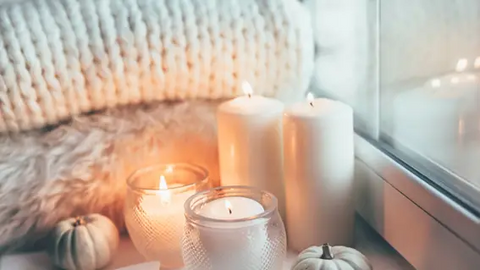
- Create cozy corners at home with blankets, warm lighting, and a routine hot drink to signal rest time.
Hydration and nutrition
Drink water even when you do not feel thirsty. Warm herbal teas and broths hydrate and soothe. Choose seasonal produce like citrus, root vegetables, and dark leafy greens for vitamins and fiber. See healthy winter foods.

Protect your skin and air
Use an oil-based moisturizer and lip balm to lock in hydration. Add a humidifier indoors to reduce dryness for skin and airways.
Move and get sunlight
Short walks in daylight improve vitamin D production and mood. When it’s too cold, follow short indoor routines or a 15-minute beginner workout to raise heart rate and circulation. Herbal teas and brief activity work well together.

Mind, sleep, and connection
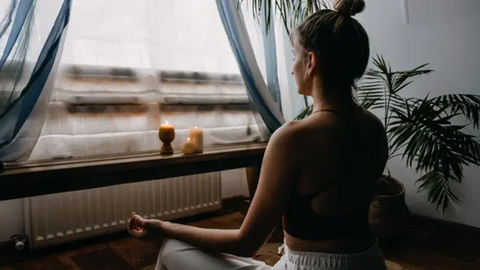
- Practice daily breathing or short meditations to reduce stress and reset mood. See deep breathing techniques at WebMD.
- Keep a regular sleep schedule and make your bed inviting with warm bedding.
- Reach out to friends or family, virtual or in person. Social connection buffers winter isolation.

Simple mood boosts
Bring warm colors into a room, light a scented candle or use essential oils like cinnamon or vanilla, and laugh with friends or a show you enjoy. Gratitude practice for small things also helps mood.

Homeopathy as a complementary option

Some people use homeopathic remedies alongside basic self-care. If you try them, consult a qualified homeopath or your healthcare provider, especially if you have chronic conditions or take other medications.
- For early cold symptoms: Natrum muriaticum may match sneezing and chills.
- For winter-related anxiety: Ignatia or Gelsemium are commonly suggested when symptoms match their profiles.
- For bruising or falls on ice: Arnica is often recommended for soreness and swelling.
- For dry skin issues: Graphites or Sulphur may be considered.
- For low energy or SAD-like symptoms: Sepia or Phosphoricum Acidum are sometimes used.
- For respiratory congestion: Hepar sulphuris is listed among remedies people try.
Use remedies carefully and follow professional guidance. Homeopathy is complementary; keep up hydration, rest, and medical care when needed.
Simple plan to start today
Pick three habits to try for a week: a short daily walk for sunlight, a nightly skin routine with moisturizer and lip balm, and a 10-minute breathing or movement session. Add one homeopathic remedy only after consulting a practitioner, if you choose.
The bottom line
Consistent, small habits make winter easier. Keep warm, stay hydrated, move a little, sleep well, and connect with others. If you use homeopathy, treat it as a complement and get professional advice when needed.
Stay warm, prioritize rest, and tune into what your body needs this season.
Dejar un comentario