





How to Transition to Lighter Foods as Winter Ends
Every year, without really planning it, our eating changes with the seasons.
In winter, we naturally want heavier food. It’s colder, darker, and we move a little less. Stews, roasted vegetables, pasta, bread, slow-cooked meals… They feel comforting and steady, keeping us warm and satisfied.
When early spring starts arriving, a few things shift: there’s more daylight, we tend to move more, energy lifts a bit, and appetite changes too. Suddenly fresh foods sound better. Things like greens, lemon, herbs, and lighter proteins.
Lightening your plate during early spring is simply about adjusting to the seasons. In this blog, you’ll learn why we crave lighter foods as winter ends and how to transition naturally.
Winter Foods Served a Purpose (And Still Do)
Winter eating often gets framed as something we need to “recover from” once spring shows up. But honestly, those heavier meals were doing exactly what they were supposed to do.
When it’s cold and dark, we naturally lean toward foods that feel warm, steady, and filling. Roasted root vegetables, stews that simmer for hours, thicker soups, oatmeal, bread, richer sauces… These foods are comforting for a reason. They help you feel grounded and satisfied when your body is conserving energy and you’re spending more time indoors.
That kind of eating is seasonal. In winter, we move less, the days are shorter, and our nervous systems are often in a quieter and slower rhythm. Denser meals match that energy, hold you over longer, and provide warmth.
So before we talk about lightening things up, it’s worth acknowledging that winter food did its job. There’s nothing to undo and no need to swing to the opposite extreme. Food isn’t meant to stay static all year long. Just like the weather changes, so does our appetite.
Signs Your Body Is Ready for Lighter Meals
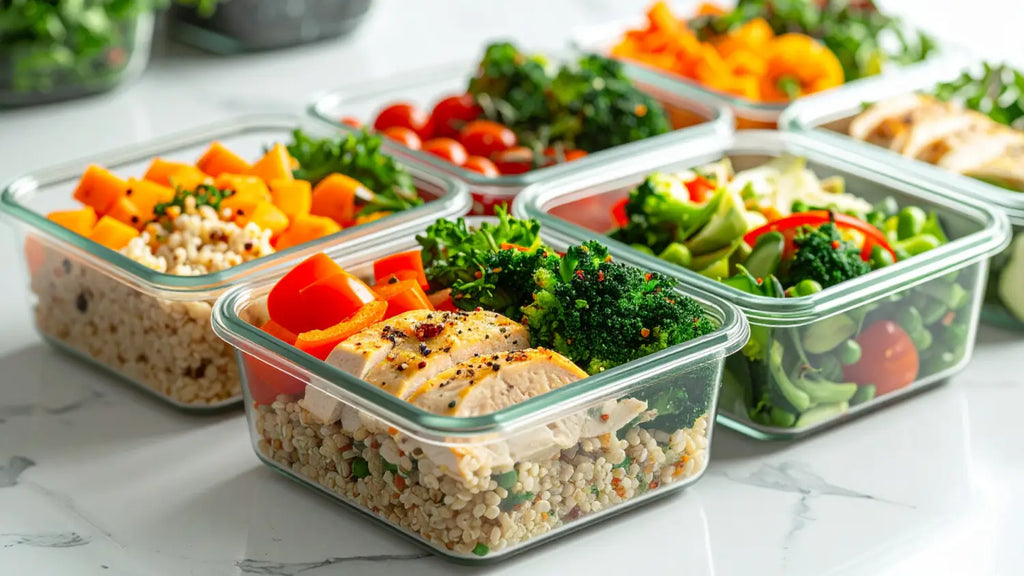
You may not consciously decide to eat differently, but you might notice that the meals that felt perfect in January don’t land the same way in March. A heavy dinner might leave you feeling overly full. You may lose interest in second helpings. Or you might catch yourself craving something fresh (like greens, citrus, herbs, or berries) without really planning to.

BM247 temporarily supports metabolic function, appetite suppression, weight loss, and hunger management. Temporarily relieves occasional food and sugar cravings.
As daylight increases, your internal rhythms shift too. Many people feel a subtle lift in energy. You may want to walk more, open the windows, clean out a closet. That same sense of “lightening” often shows up in appetite. Meals that are a little fresher or less dense can feel more comfortable.
Some common signs:
-
You feel satisfied with slightly smaller portions.
-
Rich or very creamy foods feel heavier than they used to.
-
You naturally reach for salads, eggs, fish, or lighter proteins.
-
You feel better after meals that include more vegetables.
None of this is about dieting or cutting back.Your body is responsive to light, temperature, and movement. When the season changes, your hunger cues often shift with it.

What “Lightening Your Plate” Actually Means
When people hear the phrase “lighten your meals,” it often triggers diet culture thinking: eat less, cut carbs, skip the bread, switch to salad. That’s not what this is about.
Lightening your plate is really about adjusting balance and texture as the season changes. In winter, meals tend to be heavier for good reason. They’re slow-cooked, layered, and dense. A typical winter plate might include a larger portion of starch, a rich sauce, and foods designed to keep you full for hours. That works beautifully when the days are short and cold.
In early spring, the shift is more subtle. It usually looks like:
-
Slightly smaller portions of the heaviest starches
-
A larger share of vegetables on the plate
-
Brighter flavors like lemon, vinegar, and fresh herbs
-
Lighter cooking methods such as steaming, sautéing, or roasting instead of long braising
A cream-based sauce might become olive oil and lemon. A thick stew might turn into a broth-based soup with greens added at the end. Pasta might still be there, just paired with more vegetables and protein so it doesn’t dominate the plate.
You’re still eating enough, including protein, and supporting muscle, energy, and blood sugar. The goal isn’t to eat less food, but to change the feel of the meal.

BM10 temporarily relieves occasional blood sugar imbalances, thirst, and negative feelings. It supports healthy blood sugar levels.

How to Transition Gradually (Without Shocking Your System)
There’s no need to overhaul your entire kitchen the first warm weekend of the year. In fact, your body usually responds better when the shift happens gradually.
A simple approach is to change one part of a meal rather than everything at once. For example:
-
Keep your usual protein, but swap a heavy side for something green and fresh.
-
If you’ve been making thick soups, try a broth-based version with plenty of vegetables.
-
Add fresh herbs or a squeeze of lemon to dishes you already cook.
Early spring can still be unpredictable. Some days are warm and energizing. Others are cold and grey. Your meals can reflect that. There’s room for both soup and salad during this transition.
The Power of Bitter, Fresh, and Bright Flavors in Spring
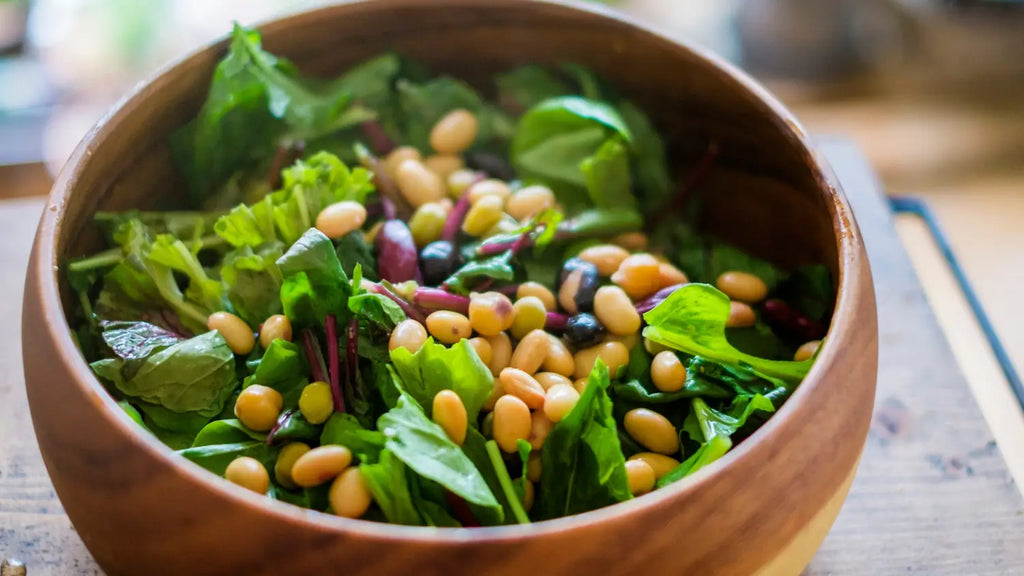
After months of roasted, slow-cooked, and deeply savory meals, brighter flavors can start to sound more appealing. Lemon, fresh herbs, peppery greens, a little sharpness from vinegar, and even slightly bitter vegetables like arugula or radish suddenly feel refreshing instead of too strong.
There’s a reason for that. Bitter and bright flavors gently stimulate digestion. They encourage the production of stomach acid and digestive enzymes, which can help meals feel lighter and easier to process. After a winter of heavier food, that mild stimulation often feels good.

BM213 temporarily supports digestion and nutrient absorption. Temporarily relieves discomfort due to digestive problems, including occasional watery and loose stools, weight loss, slimy stools, bloating, tiredness, acidity, coated tongue, dry and hard stools, indigestion, and pale skin.
In practical terms, this might look like:
-
Adding arugula or mixed greens alongside roasted vegetables
-
Using lemon juice or vinegar instead of a creamy sauce
-
Finishing dishes with chopped parsley, dill, or cilantro
-
Including seasonal vegetables like asparagus, radishes, or young greens

Supporting Digestion During the Seasonal Shift
Seasonal transitions can feel energizing, but they can also be slightly disruptive. Your sleep may shift with longer daylight, you might move more, and your appetite can feel inconsistent for a few weeks. That’s normal.

Kali Phos temporarily relieves occasional nervous tension, sleeplessness, exhaustion, and offensive secretions and excretions. Temporarily supports your body during exams or times of work-related stress. It also temporarily supports the body’s defense systems.
Supporting digestion during this time doesn’t require anything extreme. It comes down to steady basics:
-
Hydration: As temperatures rise, your fluid needs increase. Many people naturally drink less water in winter. In early spring, increasing water, herbal tea, or even light broth helps digestion adjust to more activity and lighter meals.
-
Gentle movement: Walking outside, stretching, or light strength work stimulates circulation and supports regular digestion. As your activity increases, your digestive rhythm often follows.
-
Balanced meals: Even if your plate feels lighter, keep the foundation steady: protein, fiber from vegetables, and healthy fats. That combination helps stabilize blood sugar and prevents energy dips.
-
Lighter cooking methods: Steaming, sautéing, roasting, and grilling tend to feel easier than very rich or heavily sauced preparations.
-
Paying attention to fullness: As appetite shifts, you may feel satisfied with slightly smaller portions. Instead of eating out of habit, let hunger and comfort guide you.

Spring Transition Recipes
Simple meals that feel lighter but still fully nourishing.
1. Broth-Based Chicken & Vegetable Soup
This is a good bridge meal. It keeps the comfort of soup but shifts away from heavy cream or thick bases.
Serves 3-4
Ingredients
-
2 cooked chicken breasts (shredded or chopped)
-
1 small onion, diced
-
2 carrots, sliced
-
1 zucchini, chopped
-
1 bunch asparagus, cut into pieces
-
6 cups good-quality chicken broth
-
1-2 handfuls fresh spinach or parsley
-
Olive oil
-
Salt and black pepper
-
Squeeze of lemon
Instructions
-
In a large pot, sauté onion and carrots in olive oil for 5-7 minutes.
-
Add broth and bring to a gentle simmer.
-
Add zucchini and asparagus. Cook until just tender (about 5-6 minutes).
-
Stir in chicken and heat through.
-
Finish with spinach or parsley and a squeeze of lemon.
2. Warm Arugula, Egg & Radish Bowl
This works well for lunch or a light dinner. You get protein, healthy fat, and bitter greens that naturally stimulate digestion.
Serves 1-2
Ingredients
-
2-3 eggs
-
2 big handfuls arugula
-
4-5 radishes, thinly sliced
-
½ avocado (optional)
-
Olive oil
-
Salt and black pepper
-
Lemon juice or red wine vinegar
Instructions
-
Soft-boil or poach the eggs.
-
Toss arugula and radishes with olive oil, salt, and a squeeze of lemon.
-
Top with warm eggs and avocado if using.
-
Finish with black pepper and another drizzle of olive oil.
3. Sheet Pan Salmon with Asparagus & Dill
This is an easy dinner that feels like spring. Serve with a small portion of potatoes or quinoa if you want a bit more substance.
Serves 2-3
Ingredients
-
2-3 salmon fillets
-
1 bunch asparagus
-
Olive oil
-
Salt and pepper
-
Fresh dill or parsley
-
Lemon slices
Instructions
-
Preheat oven to 400°F (200°C).
-
Place salmon and asparagus on a sheet pan.
-
Drizzle with olive oil, salt, and pepper.
-
Bake 12-15 minutes until salmon flakes easily.
-
Finish with lemon and chopped dill.
4. White Beans with Olive Oil, Lemon & Herbs
This works as a side dish or a protein addition to salads. It’s simple, filling, and pairs well with grilled fish or chicken.
Serves 3-4
Ingredients
-
2 cups cooked white beans (or 1 can, drained and rinsed)
-
2 tablespoons olive oil
-
Juice of ½ lemon
-
Small handful chopped parsley
-
Salt and black pepper
-
Optional: shaved fennel or arugula mixed in
Instructions
-
Warm the beans gently in a pan.
-
Stir in olive oil, lemon, salt, and pepper.
-
Fold in parsley and optional greens.
5. Greek Yogurt with Berries, Hemp Hearts & Dark Chocolate
This works as breakfast or something lightly sweet after dinner.
Serves 1
Ingredients
-
¾-1 cup plain Greek yogurt
-
Handful fresh berries
-
1 tablespoon hemp hearts or chopped nuts
-
1-2 squares dark chocolate, chopped
Instructions
Layer everything in a bowl. No real instructions needed.

Bottom Line
As winter ends, it’s normal to want meals that feel a little fresher and less dense. That might mean slightly smaller portions of heavy starches, more vegetables, brighter flavors, and keeping protein steady so you stay energized.
Some days will still call for soup. Other days will feel right for something crisp and light. There’s room for both. You’re simply letting your meals evolve with the season.
Leave a comment