





Managing Chronic Pain
The link between chronic pain and depression

Persistent pain raises stress hormones, disrupts sleep and saps motivation. That combination reduces your mental and physical performance, and when pain starts to get in the way of daily tasks you become much more likely to feel depressed. According to WebMD, the connection is clear: depressed people are more likely to report chronic pain, and people with chronic pain are more likely to become depressed.
How emotions and pain interact
The emotion-pain connection matters because mood changes amplify pain and pain deepens low mood. That cycle makes movement, sleep and social life harder. Breaking the cycle starts with small, consistent steps that reduce pain’s hold on daily life.
Coping with the emotional impact of chronic pain
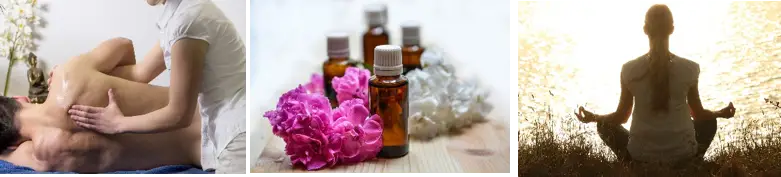
Chronic pain can cost you work, strain relationships and erode self-esteem, especially when doctors can’t find a clear cause. That feeling of being dismissed makes people withdraw. There are healthier ways to manage pain than self-medicating with alcohol or drugs.
Practical strategies that help
- Meditation, yoga and deep breathing reduce stress and can lower perceived pain.
- Massage therapy and electric muscle stimulation ease muscle tension.
- Essential oils may help as part of a broader routine; see our essential oils article for suggestions.
- Simple self-care like a hot bath, gentle stretching or an occasional good cry can relieve tension.
Joining a support group or seeing a counselor reduces isolation and helps you build a pain management plan. Search for local options with "chronic pain management support groups near me," or try online communities listed below.
https://paindoctor.com/chronic-pain-support-groups/
https://chronic-pain.supportgroups.com/
Therapies and movement
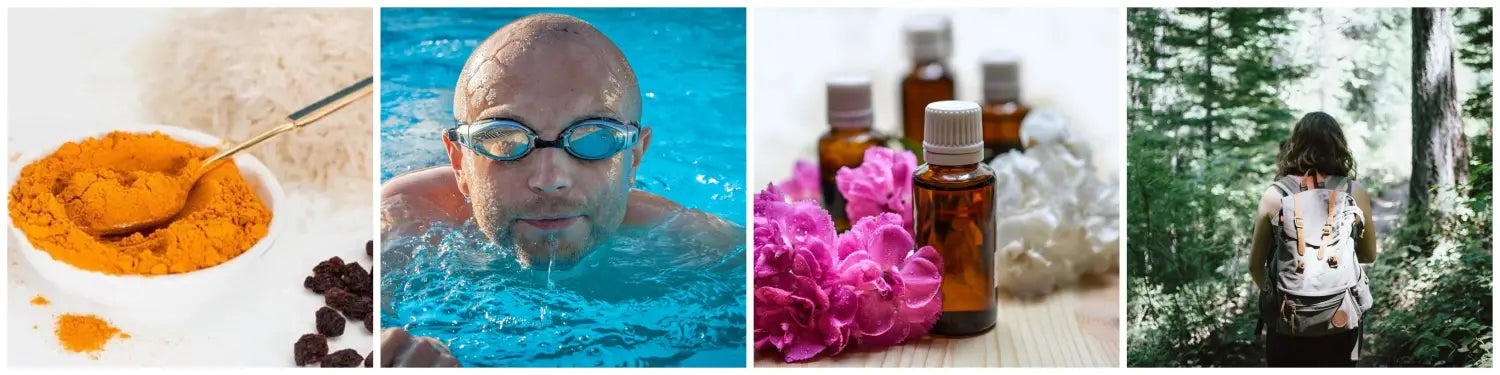
Cognitive Behavioural Therapy, or CBT, helps change reactions to pain and reduces sleeplessness, fatigue and low mood over time. Keep moving when you can; gentle, regular exercise preserves mobility and often cuts overall pain. Good options include walking, biking and swimming.
Natural remedies and realistic goals
Some people find relief with natural anti-inflammatories like turmeric, or remedies such as Arnica Montana. Herbal and homeopathic options can reduce symptoms without the side effects of some conventional drugs.
You may not remove pain entirely. The realistic goal is to reduce pain's impact on your life, improve sleep and mood, and regain activities you value. You are not alone. Use the links above and reach out for support; small steps add up to better days.

Leave a comment